Official CIDEREU Project Website
Activity No.1
Launching the CIDEREU Journey
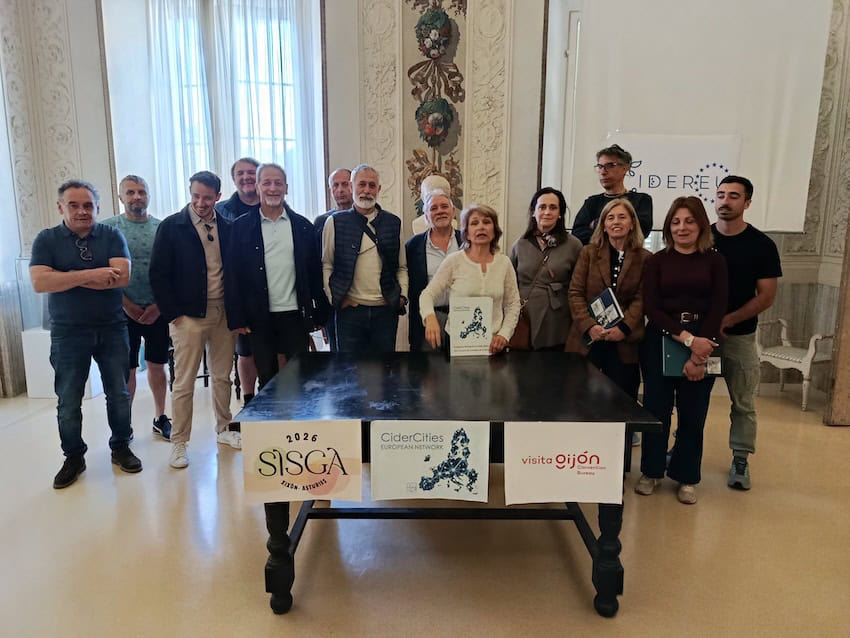
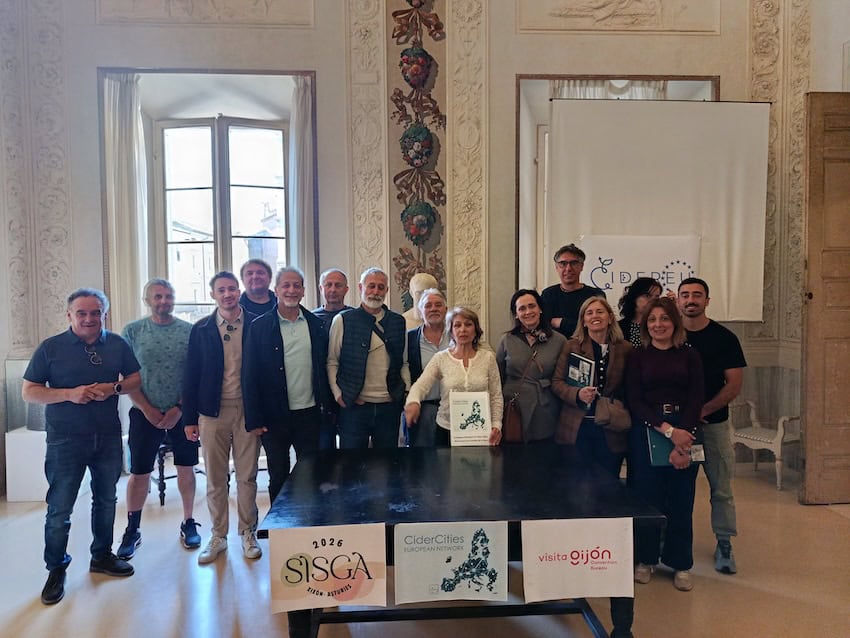
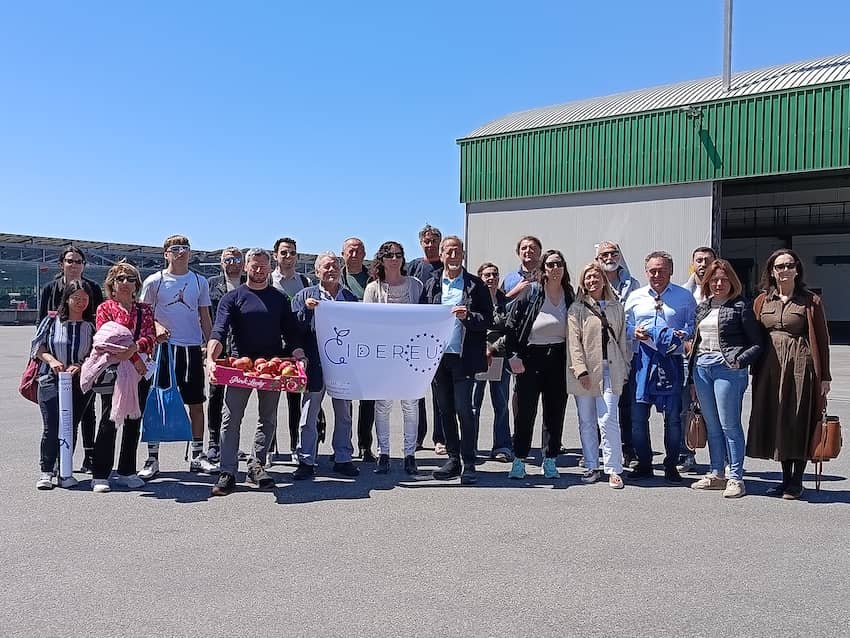
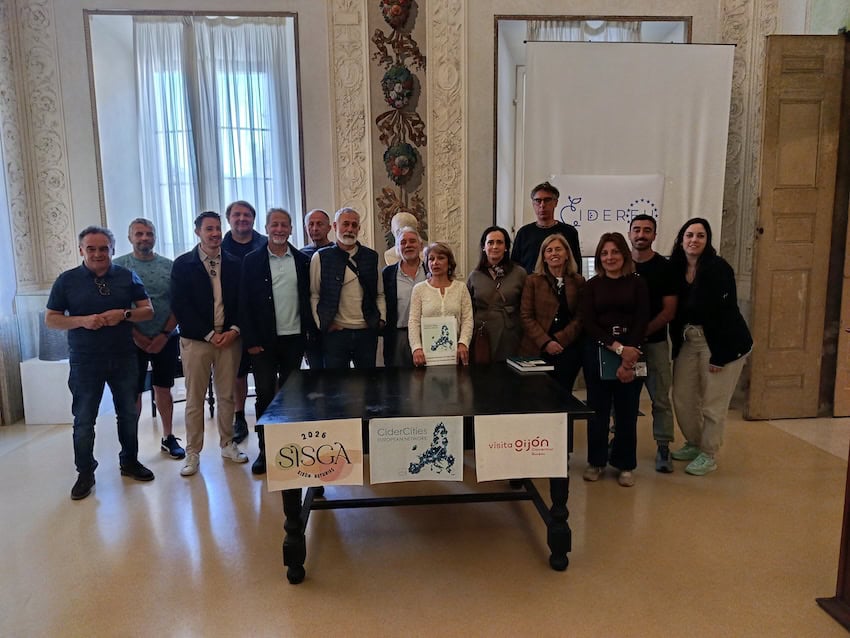
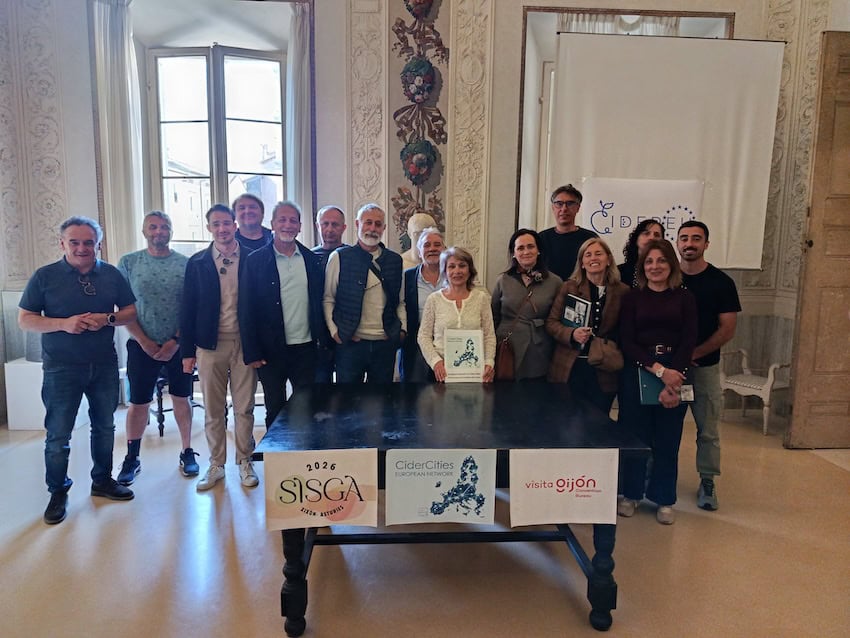
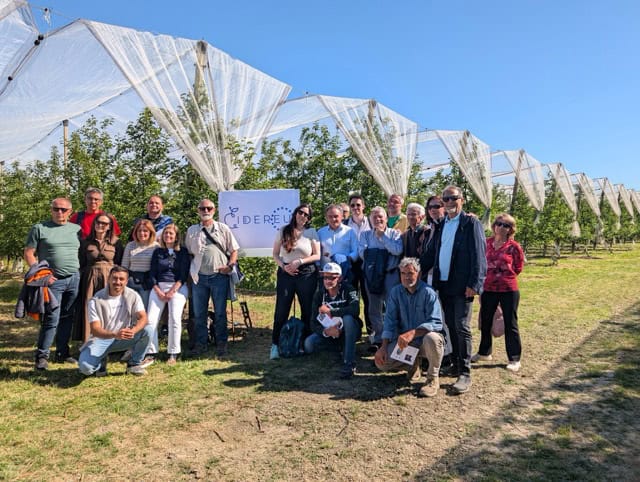
The first international meeting in Italy to establish our network and define the future of European apple heritage
Lead Partner:
TRAMES ONLUS
Location:
Pieve Cesato/Ronco/S.Andrea, Italy
Date:
1,2,3 May
Duration:
3 days
Target Audience:
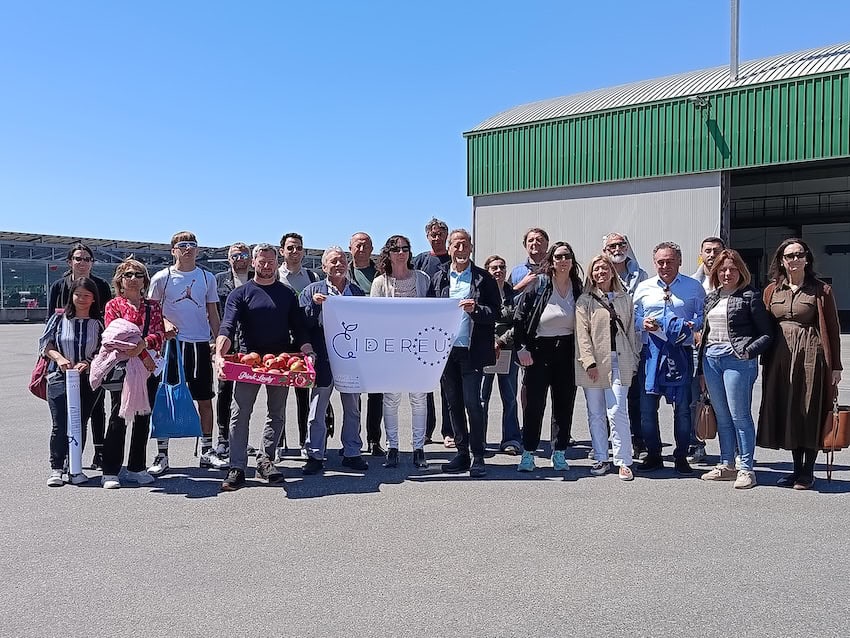
Consortium partners, local farmers, students and over 1000 citizens
Our Core Focus
The Three Strategic Pillars
NEB Initiative
The role of apple and cider culture in the development of rural areas under the New European Bauhaus (NEB) initiative
Sustainability
Strengthening the sustainable European agricultural sector through apple-related activities
Gender Equality
Highlighting the key role of women in the apple and cider culture across all consortium cities
Program
Day 1:
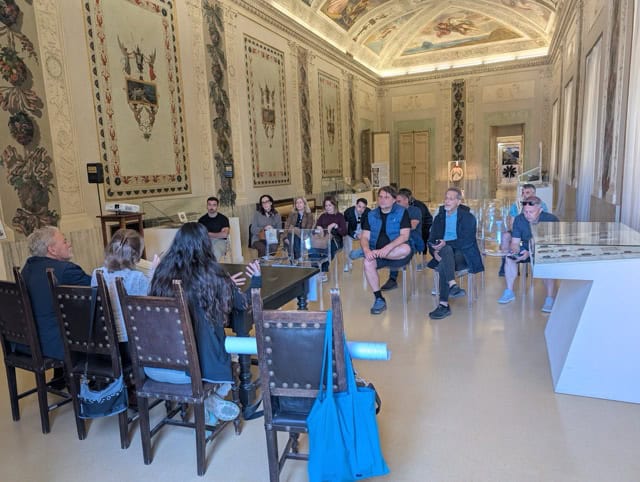
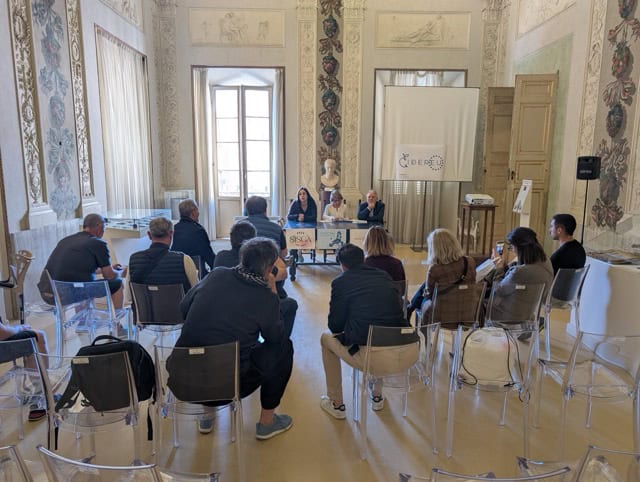
Official Kick-off & Cultural immersion
- Setting the scene and kick-starting
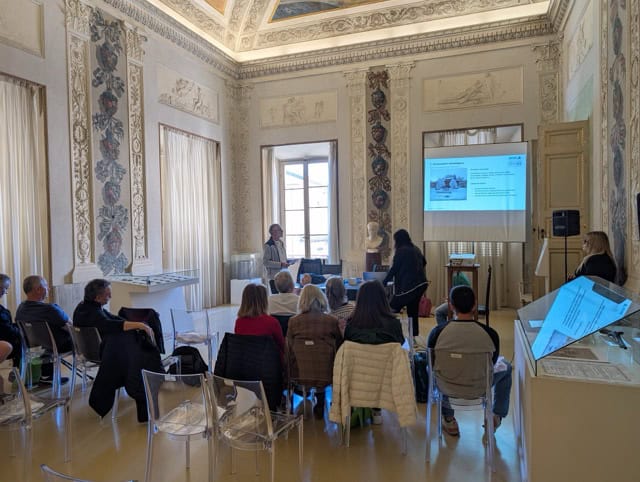
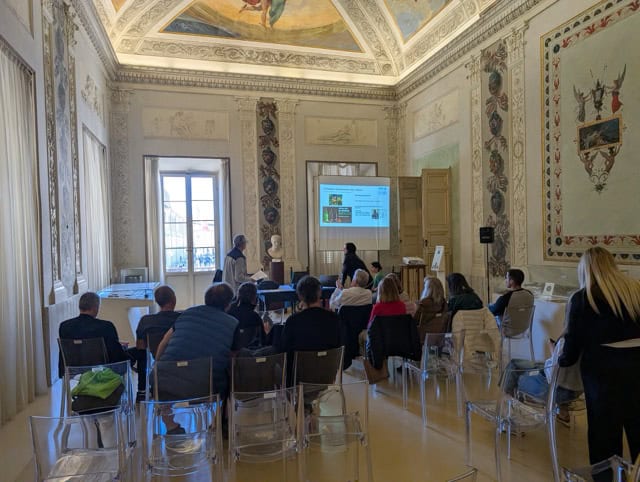
- Reflection on innovation processes in agricultural research, the preservation of traditional varieties, and the balance between productivity, biodiversity, and cultural continuity
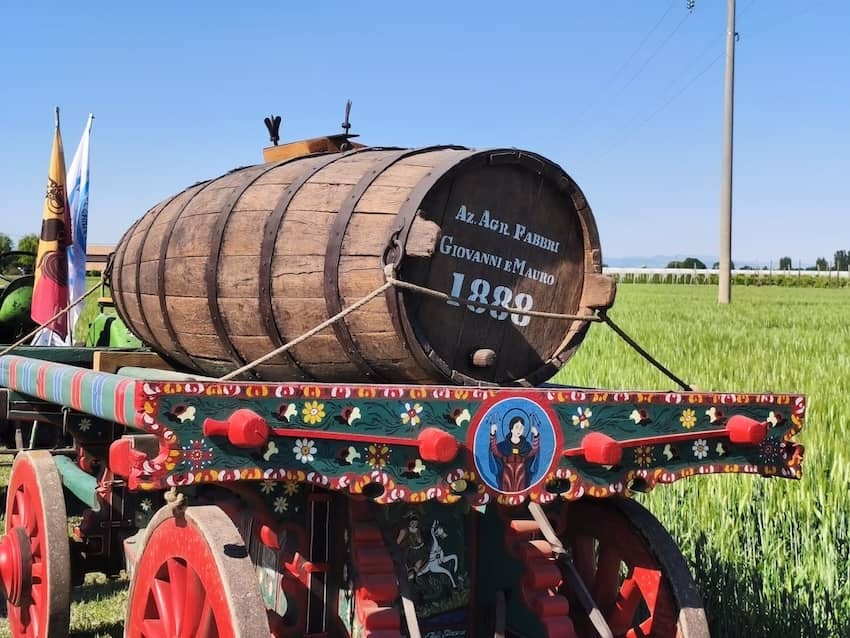
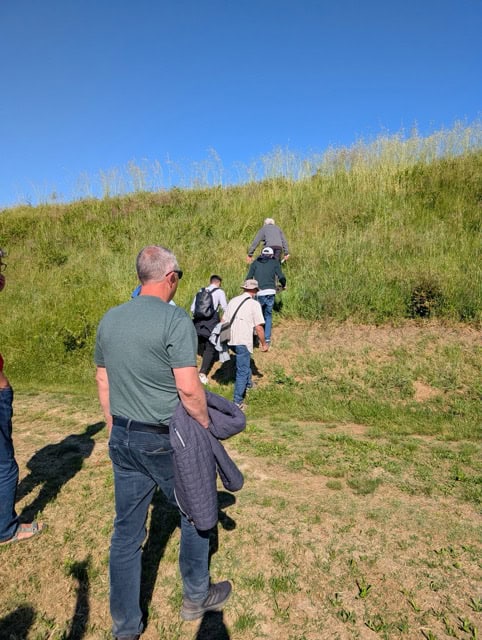
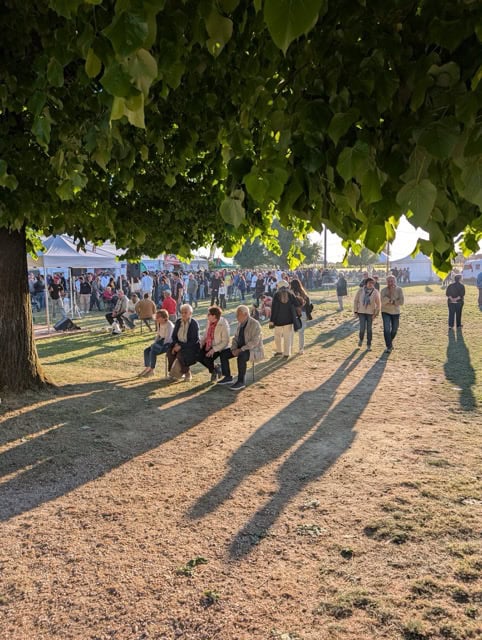
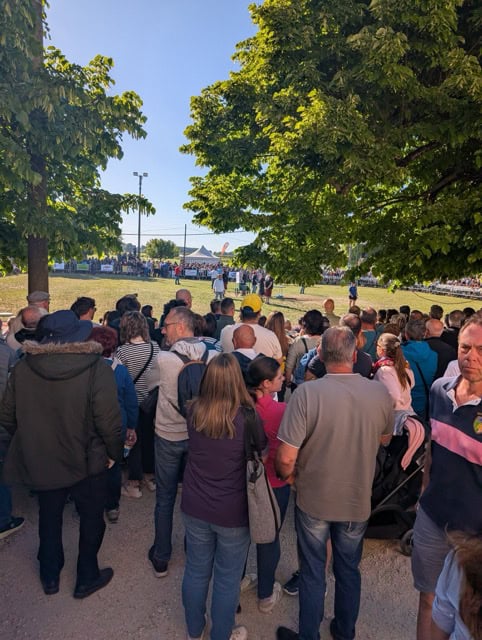
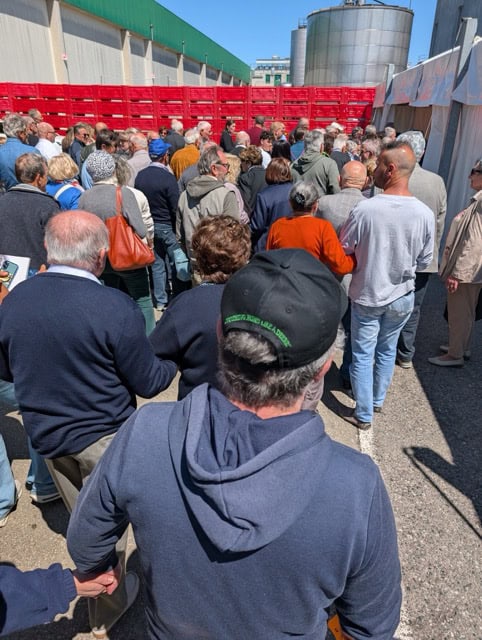
- Festa della Campagna: local agricultural context and direct engagement with citizens, farmers, and stakeholders, with a strong focus on rural culture, agricultural practices, and community participation
Day 2:
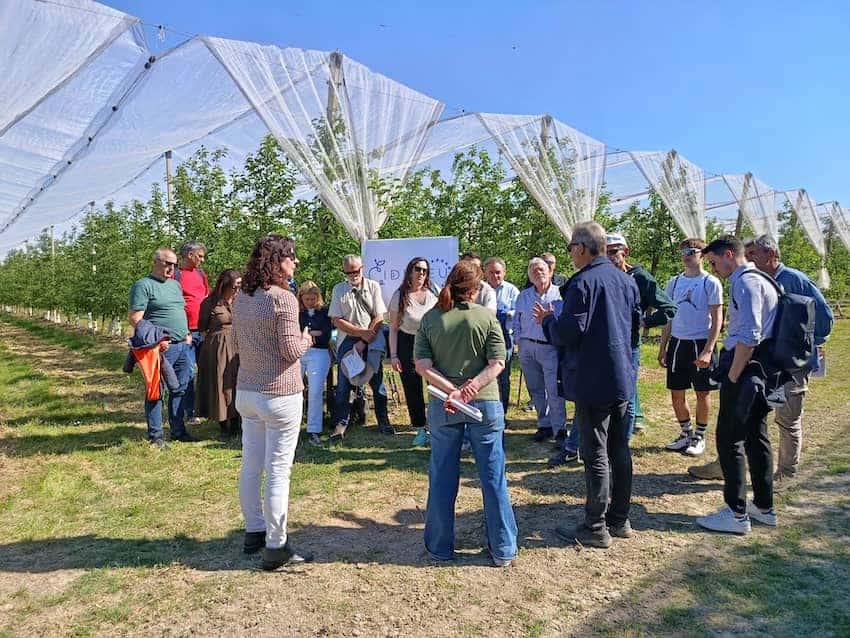
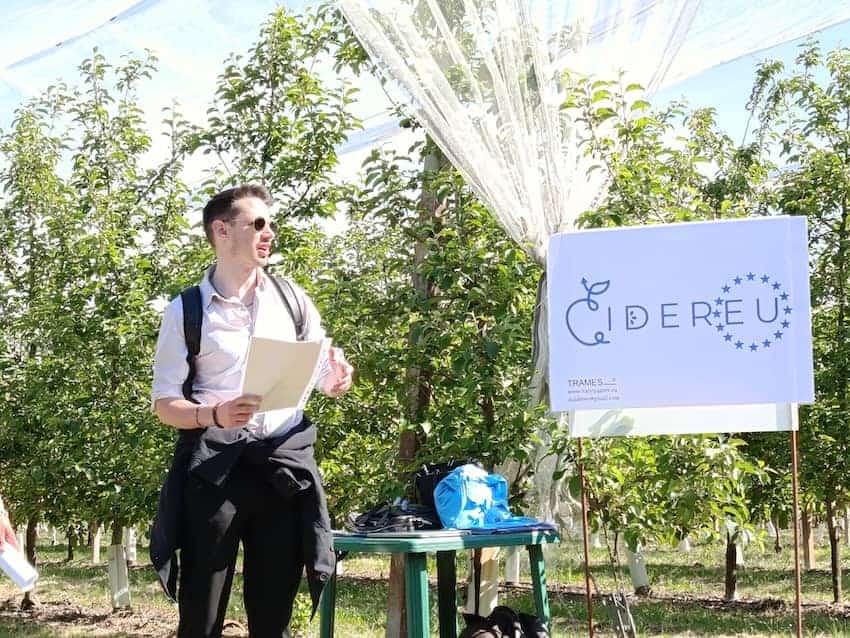
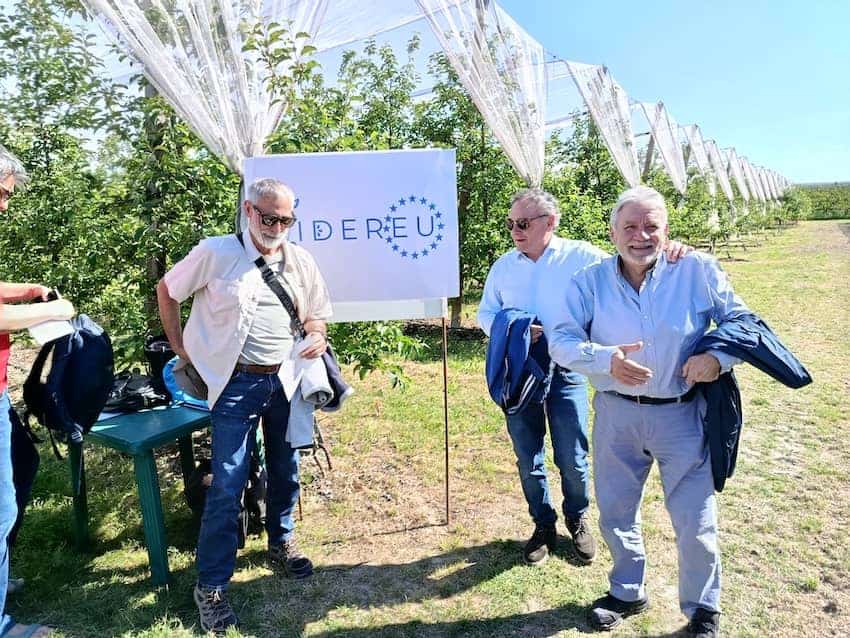
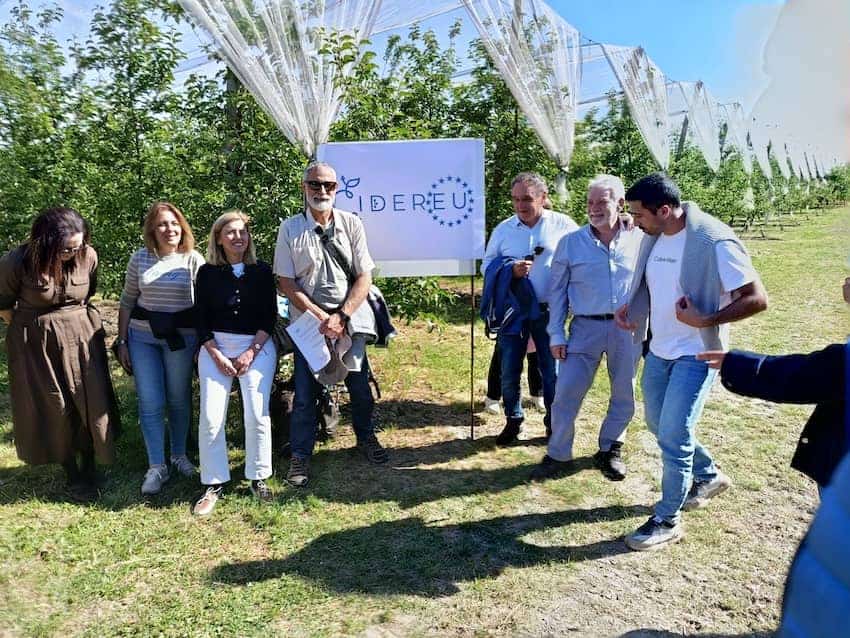
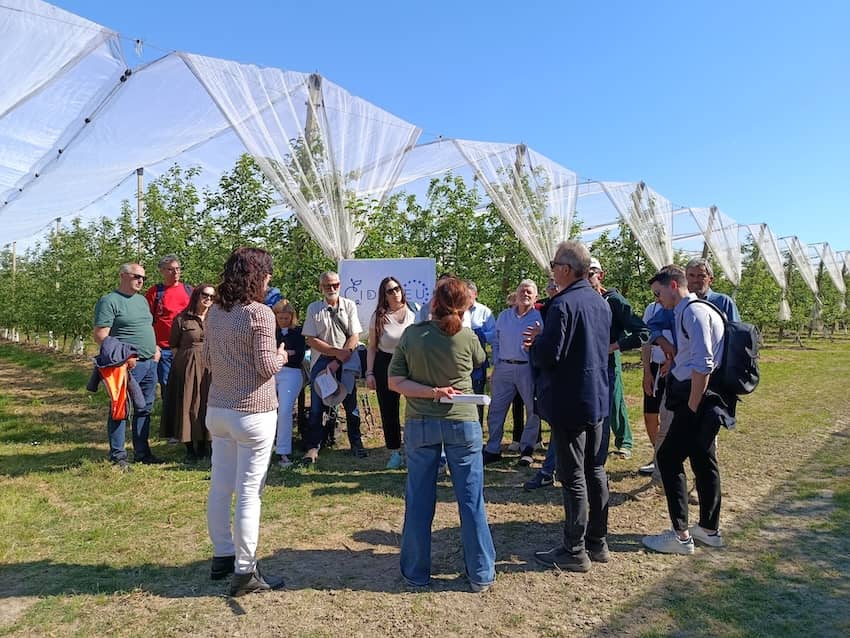
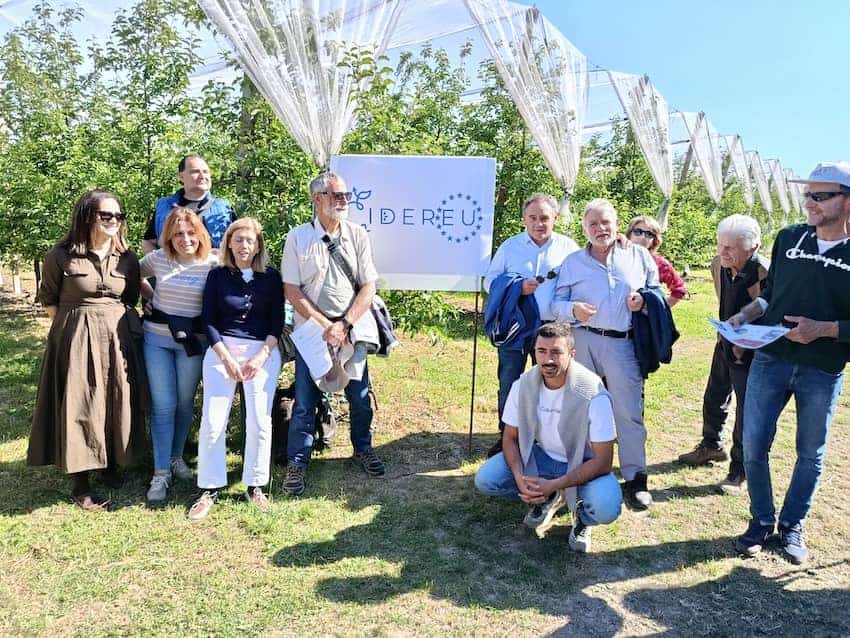
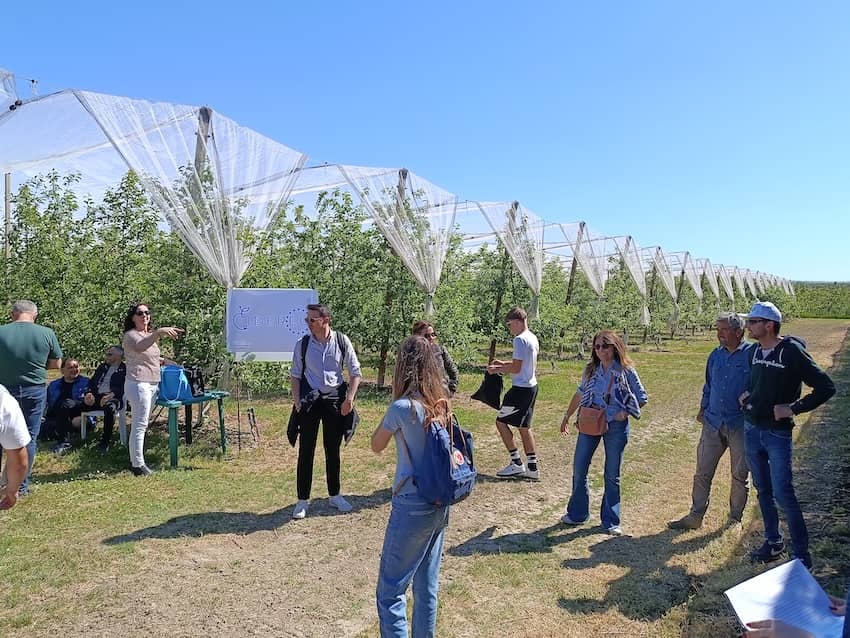
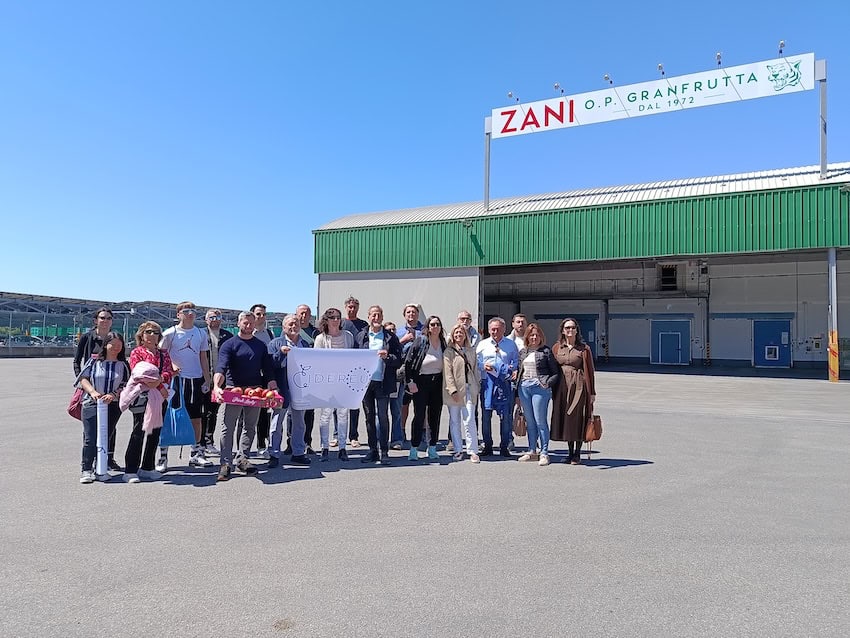
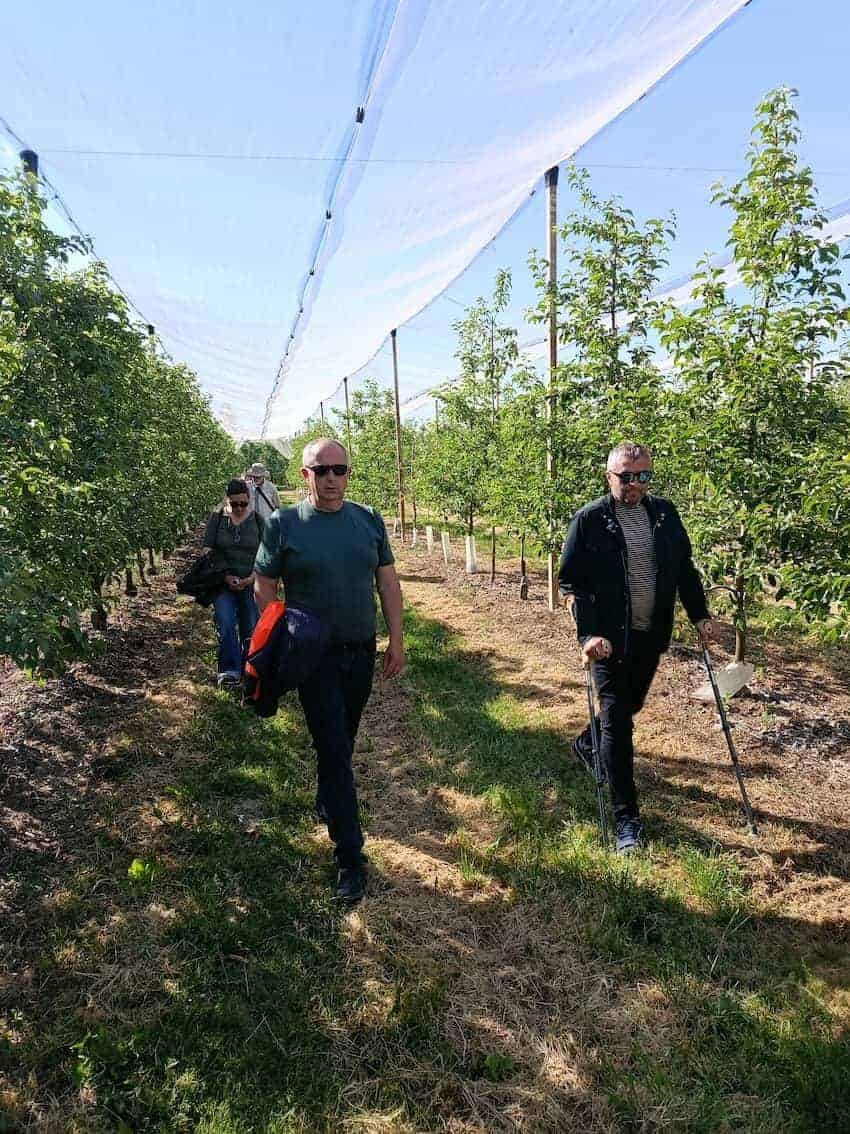
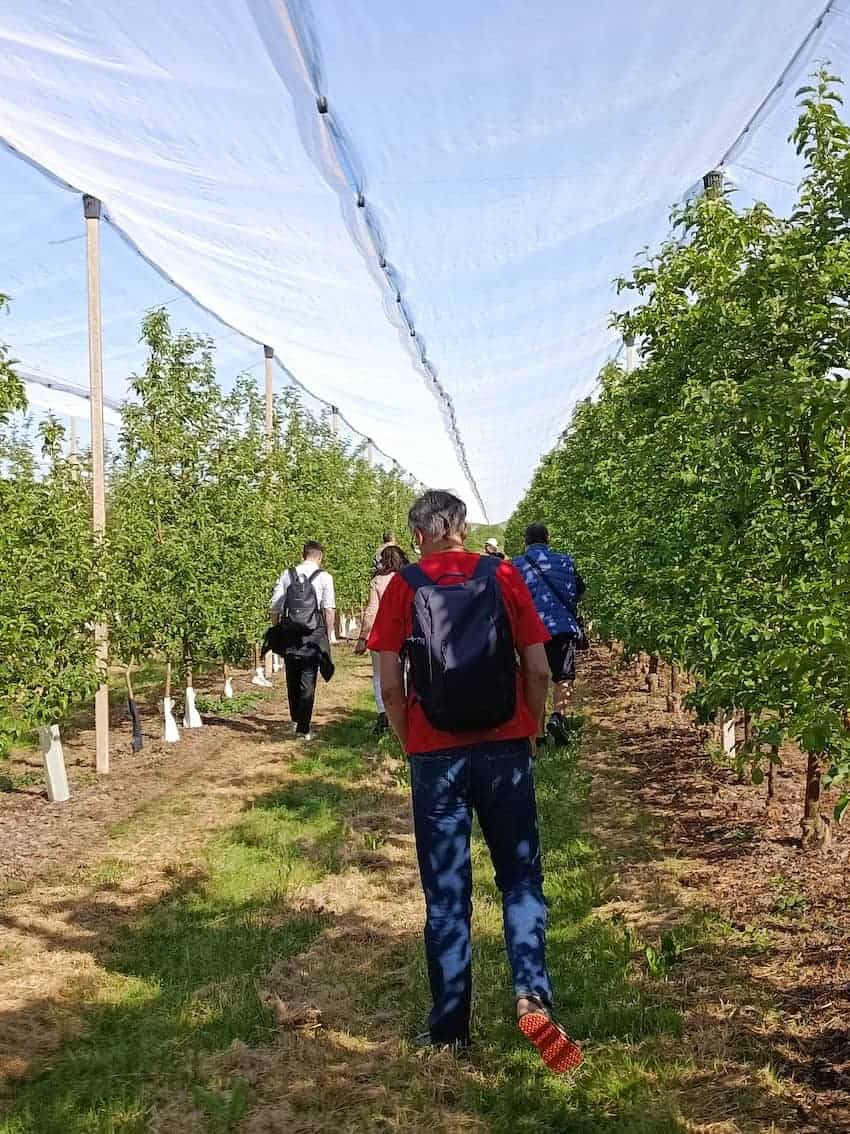
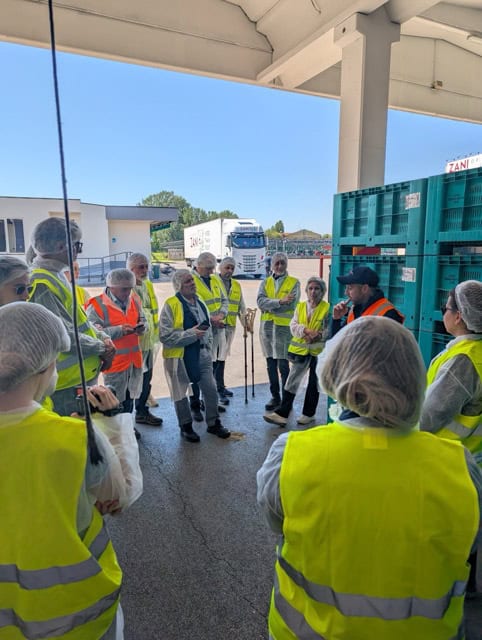
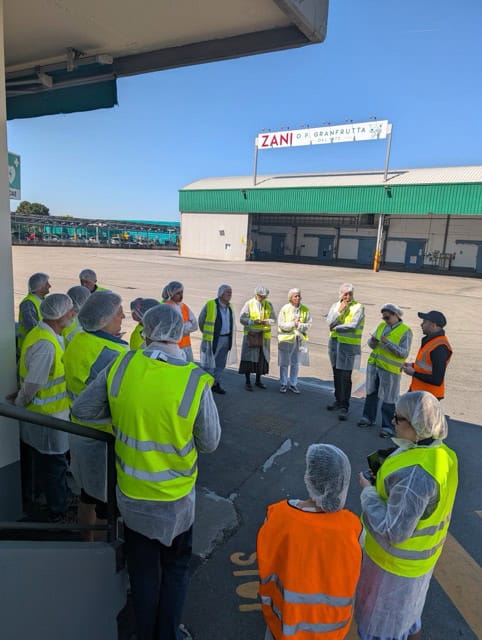
The second day focused on field-based learning and technical exchange activities
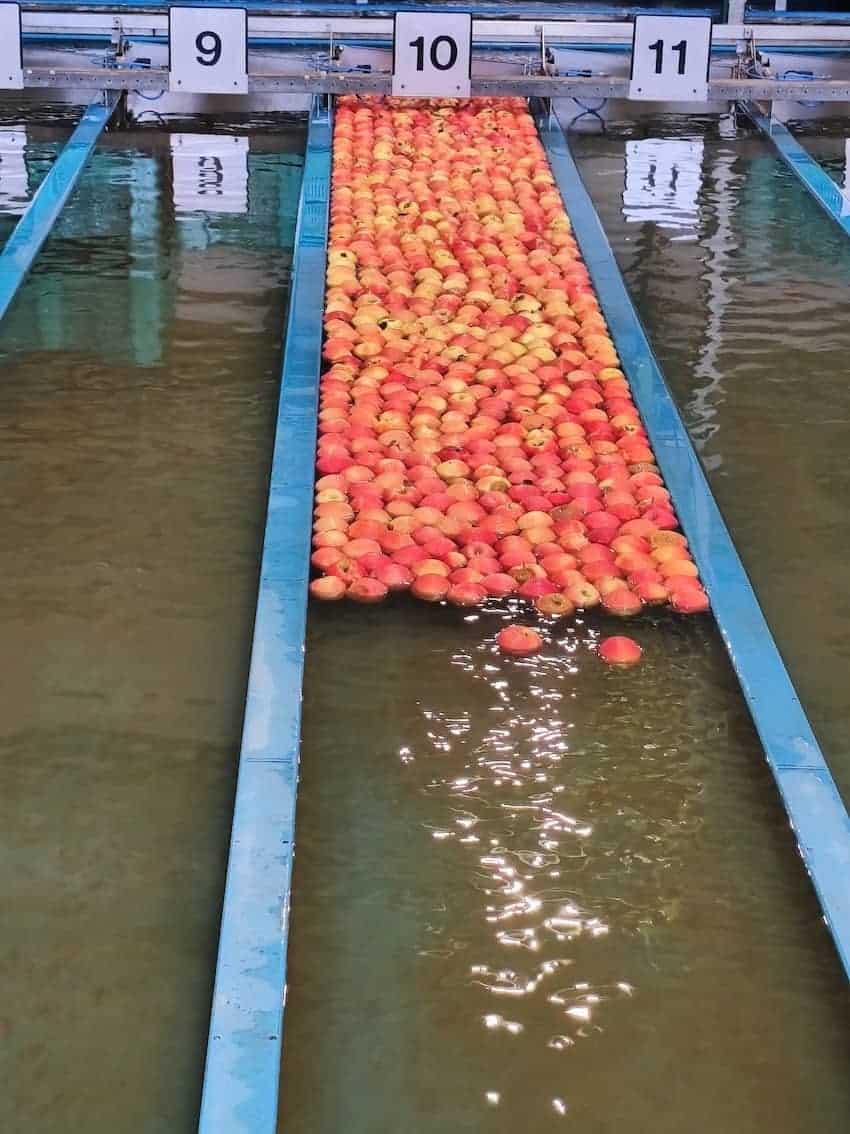
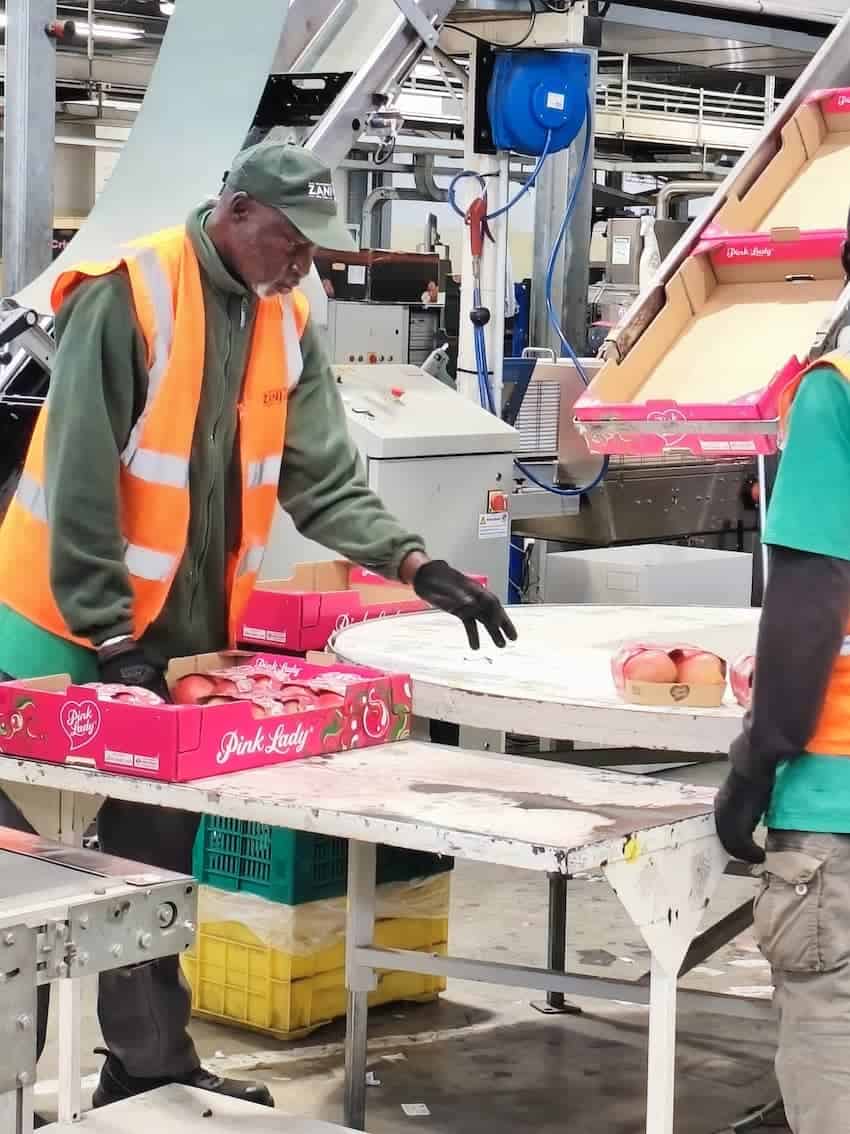
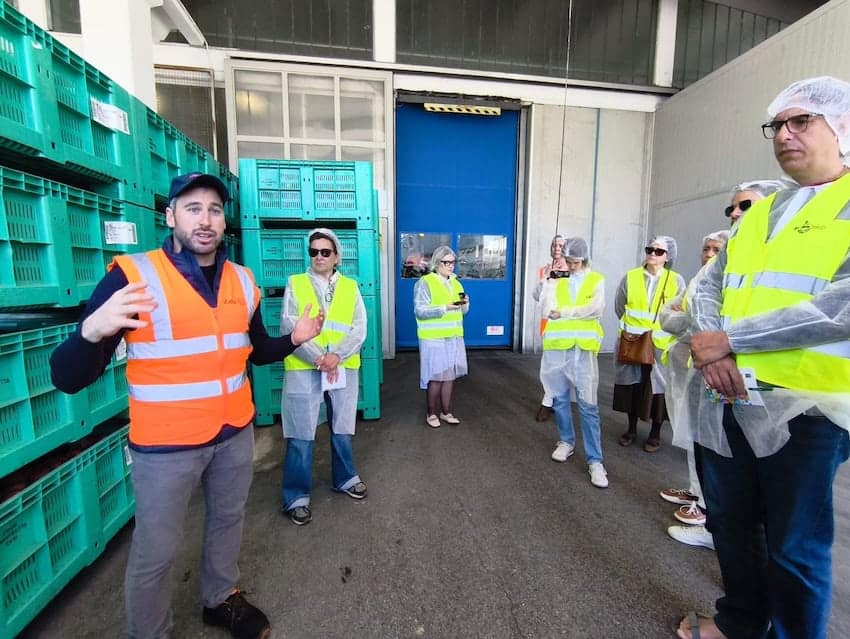
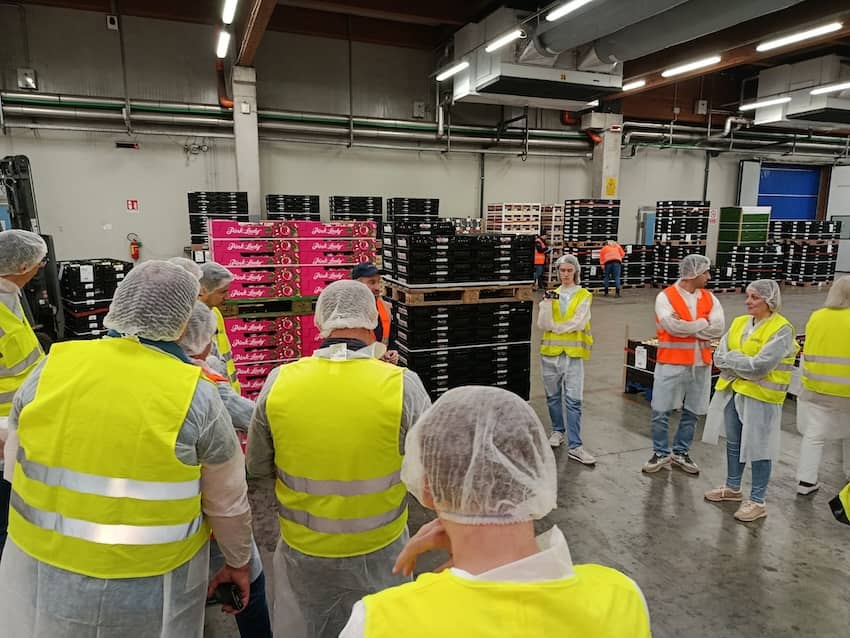
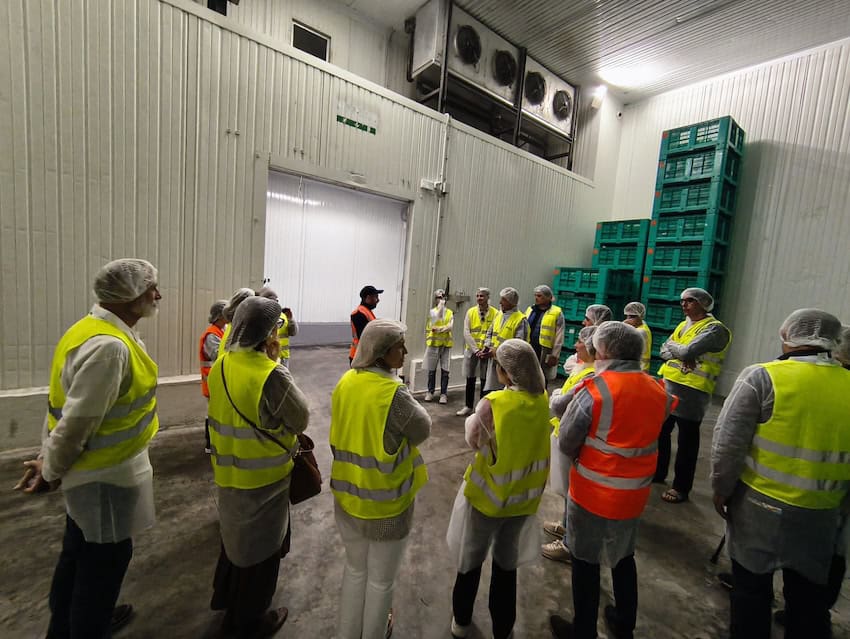
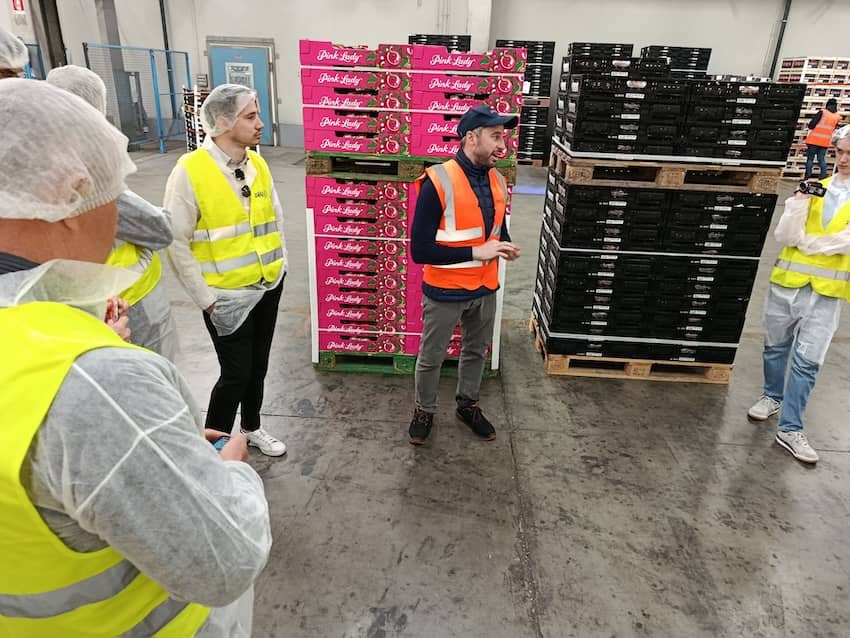
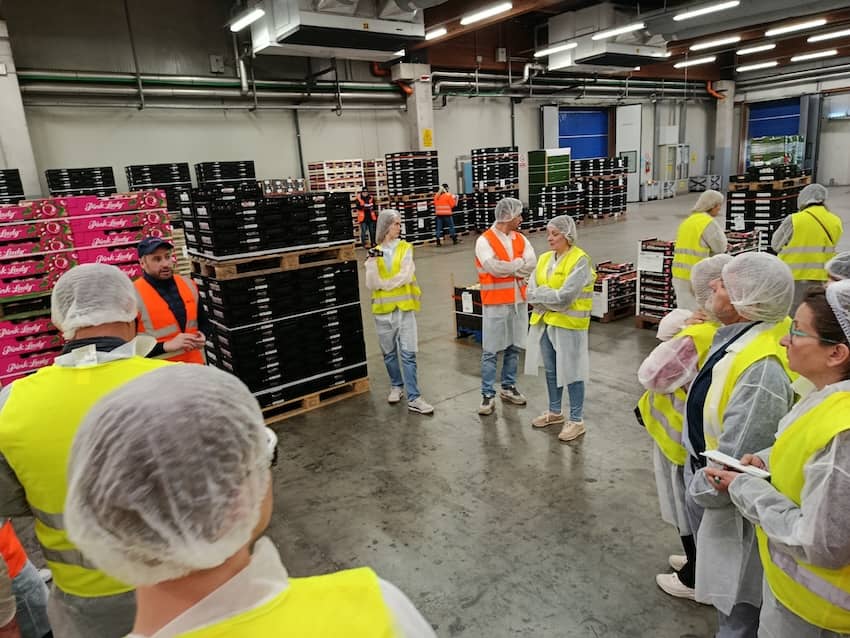
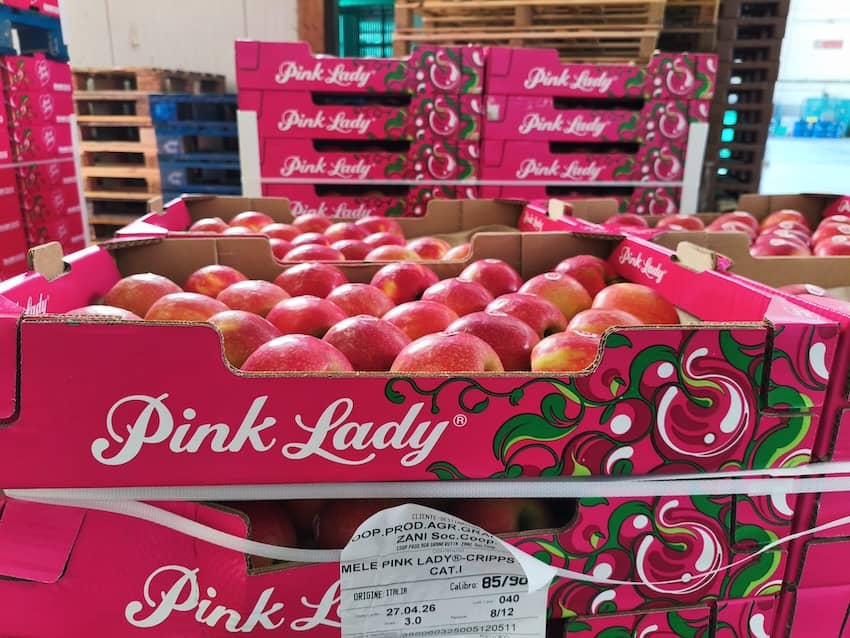
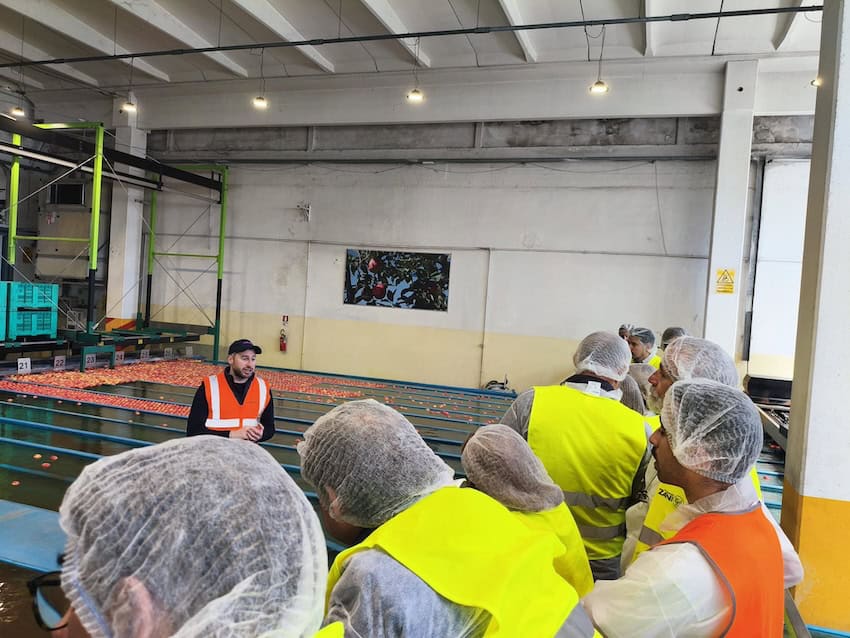
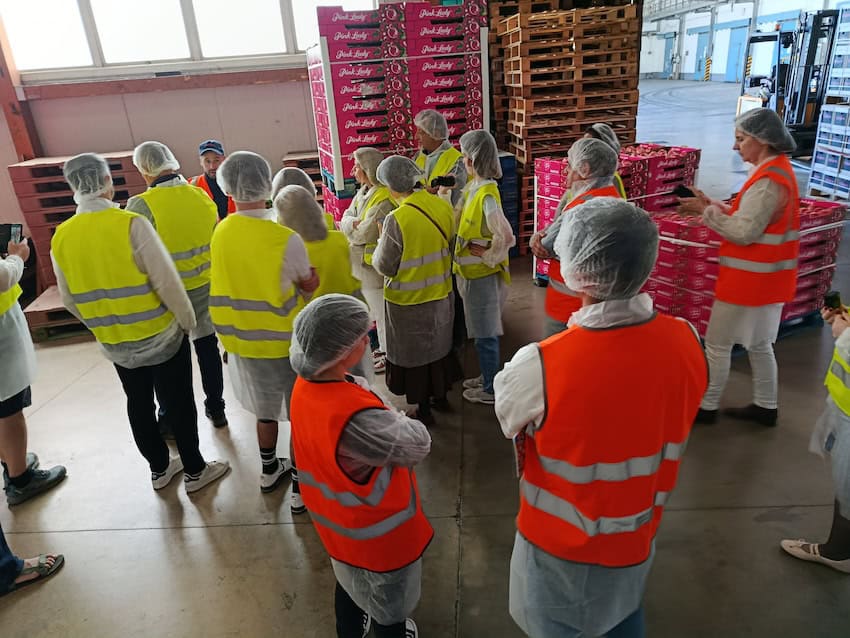
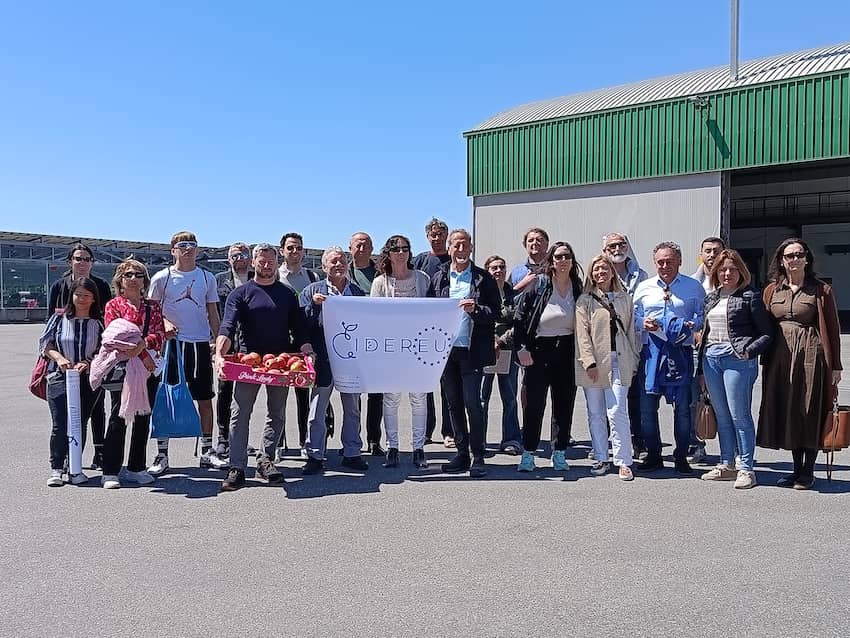
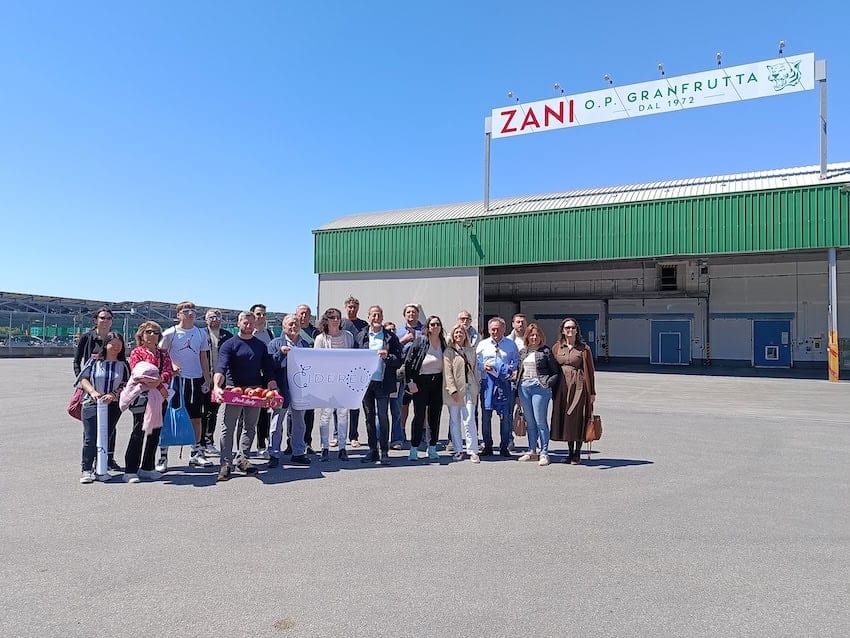
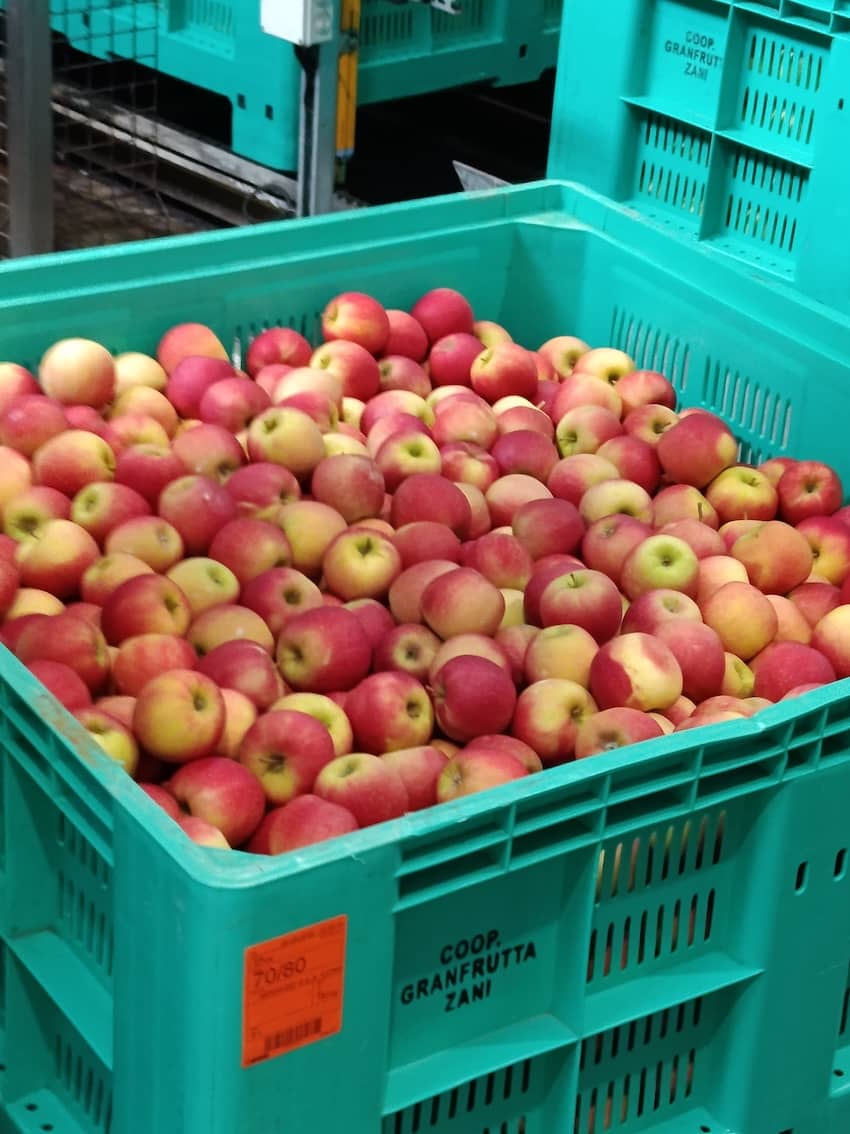
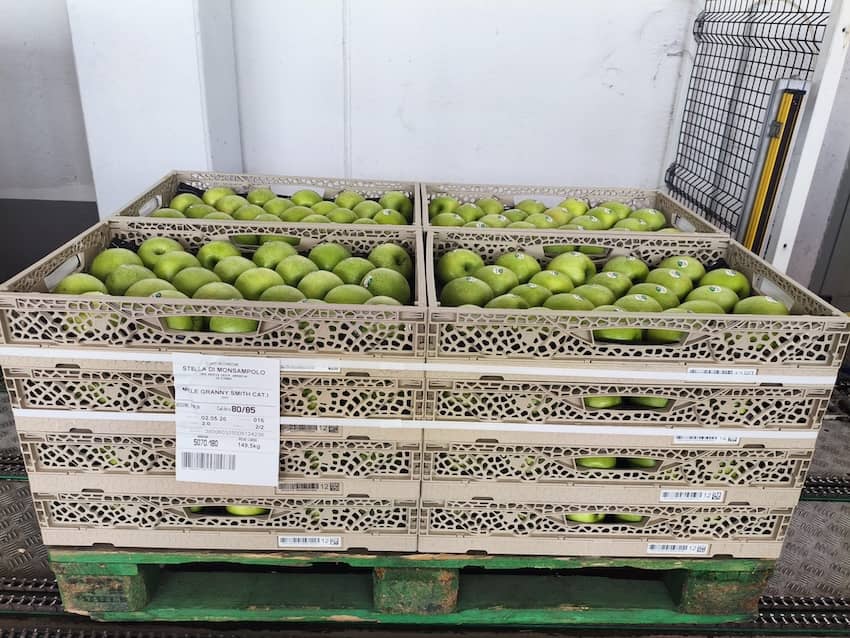
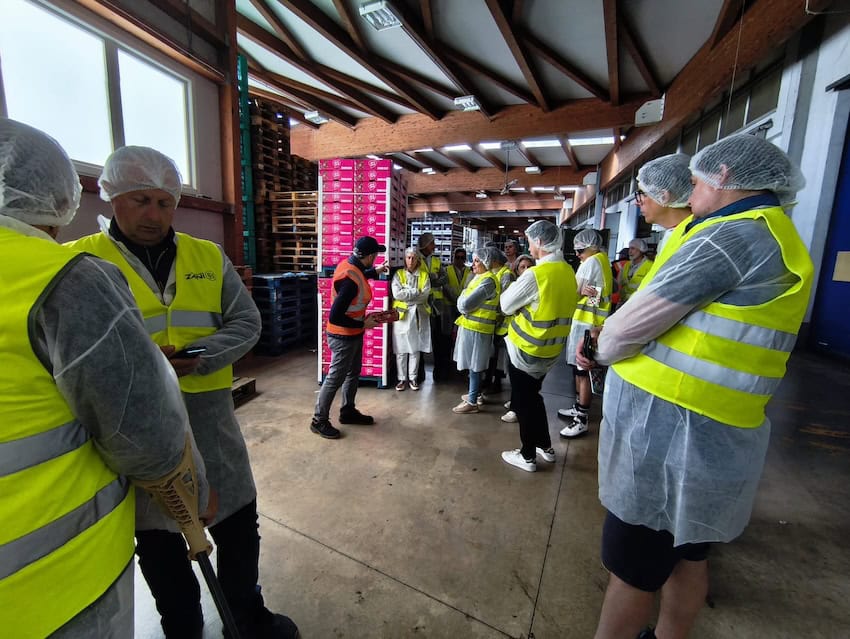
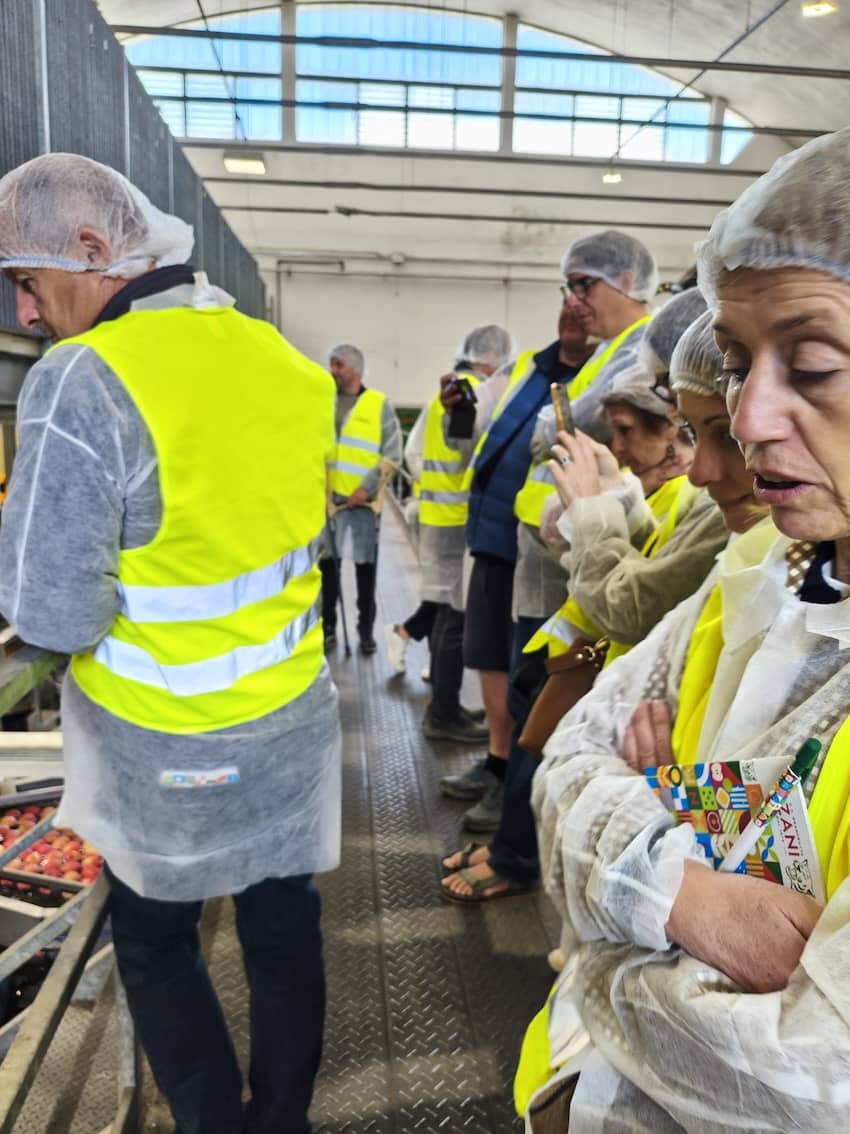
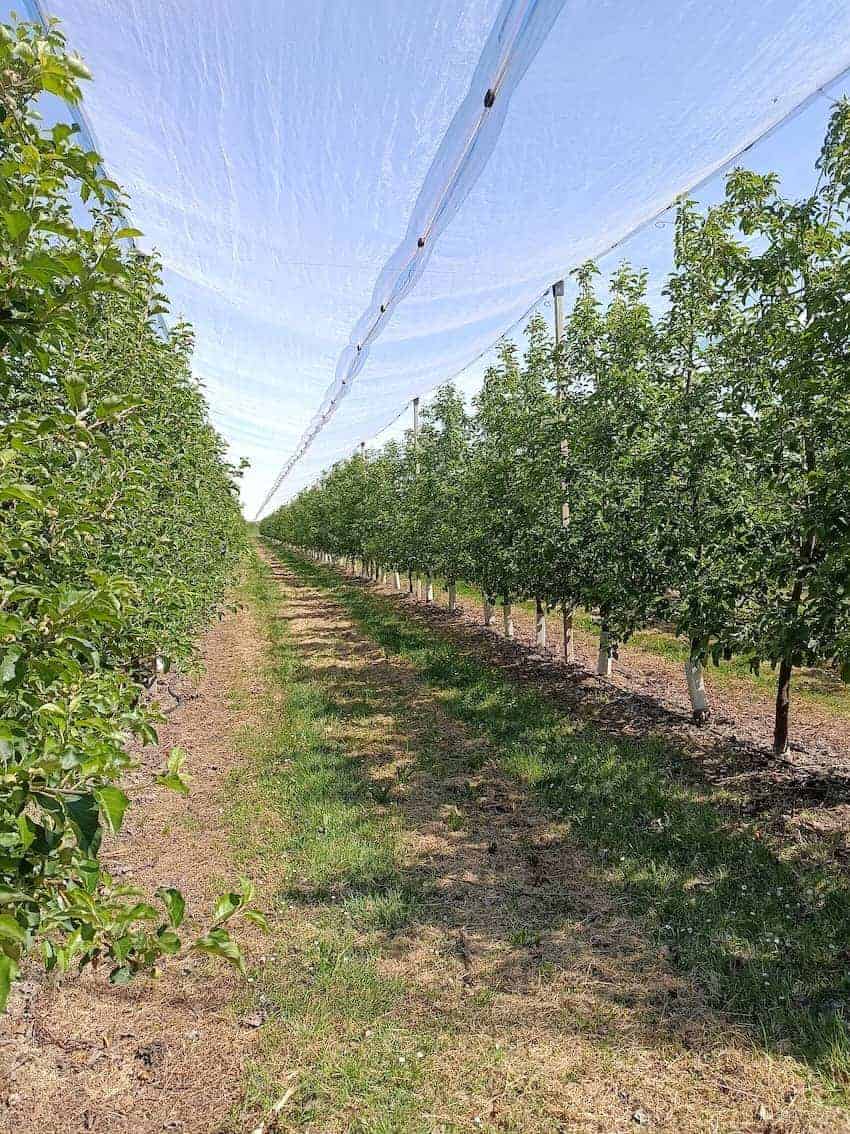
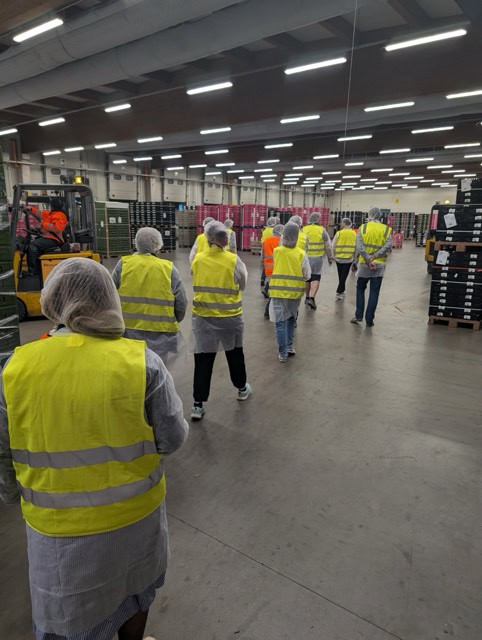
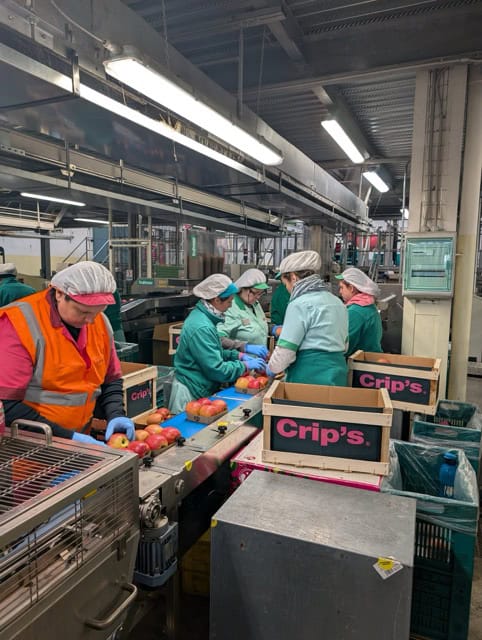
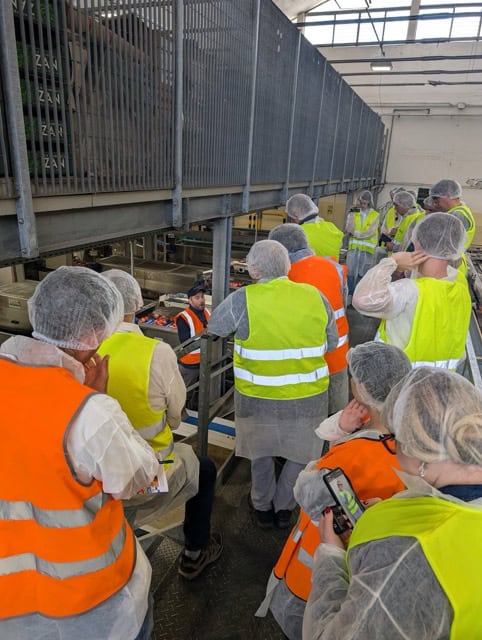
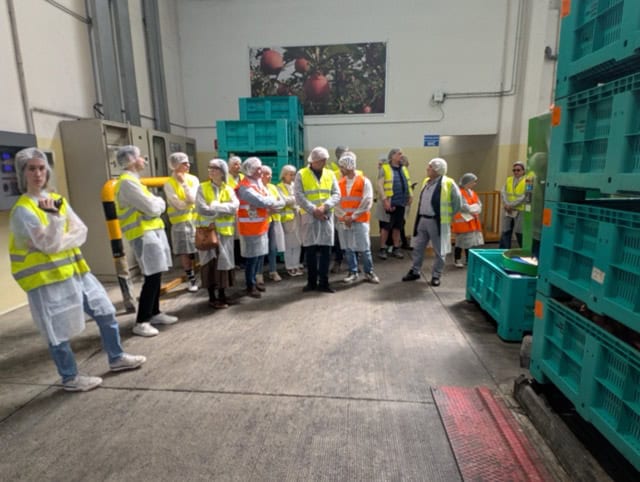
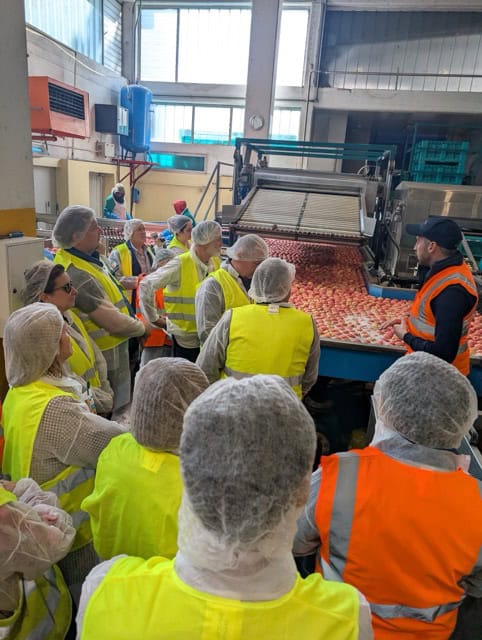
Study visit to a large fruit distribution platform, quality control systems, sorting processes, and logistics of the apple supply chain
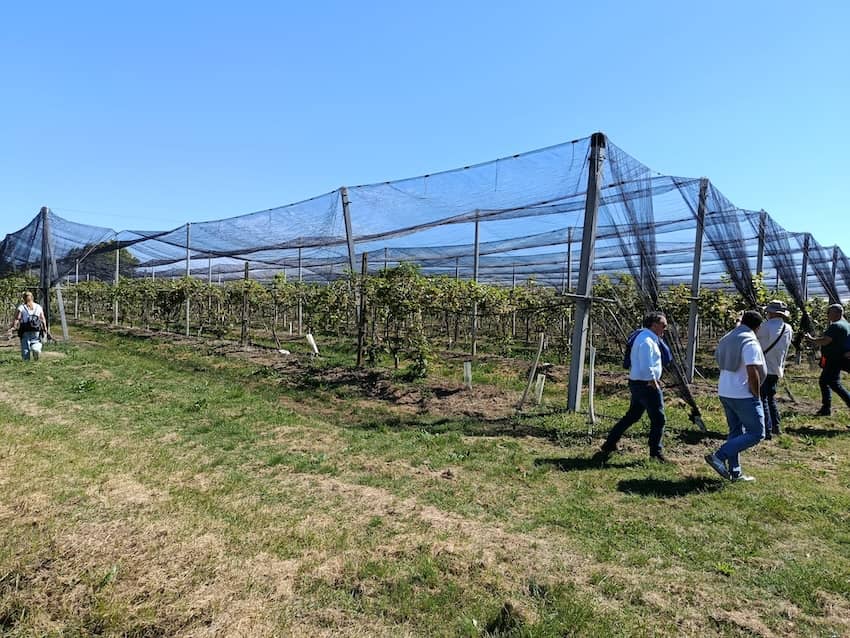
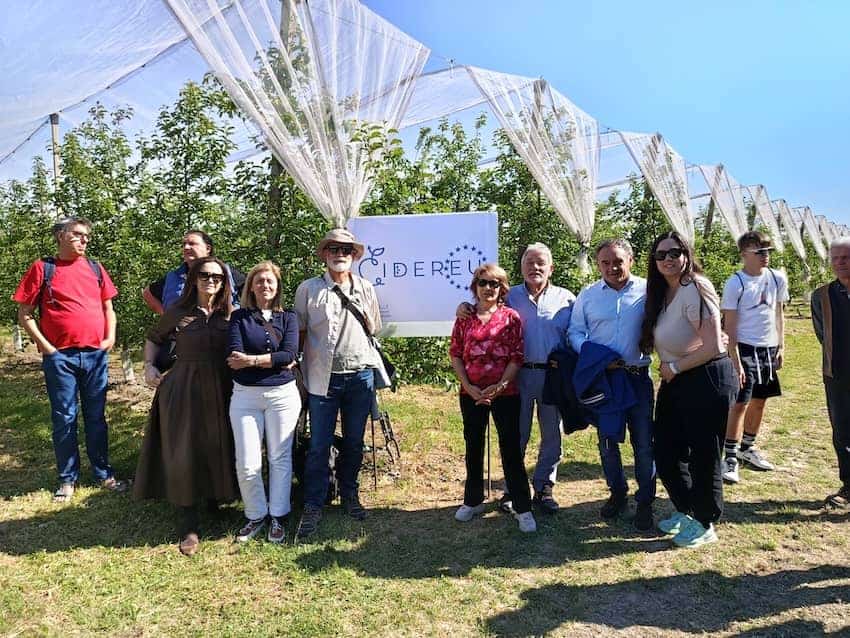
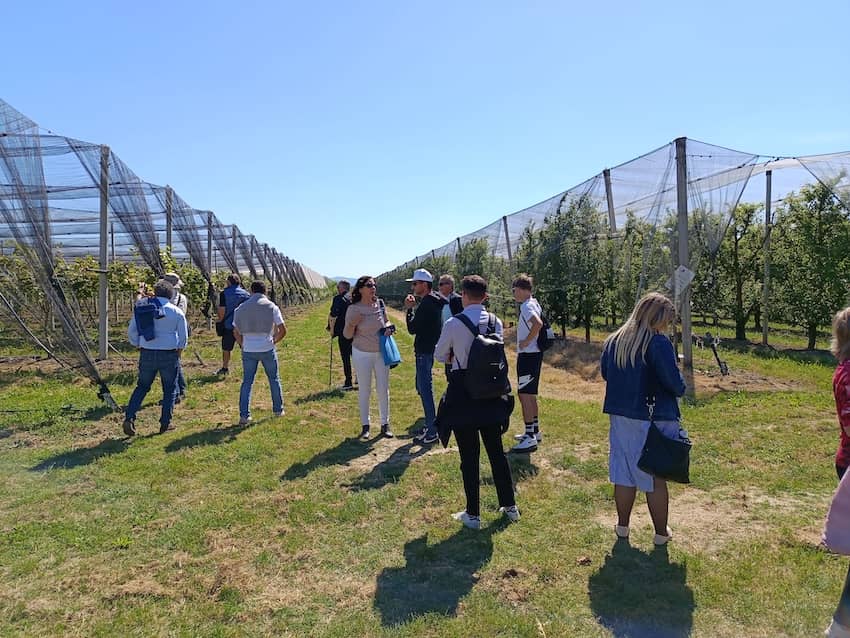
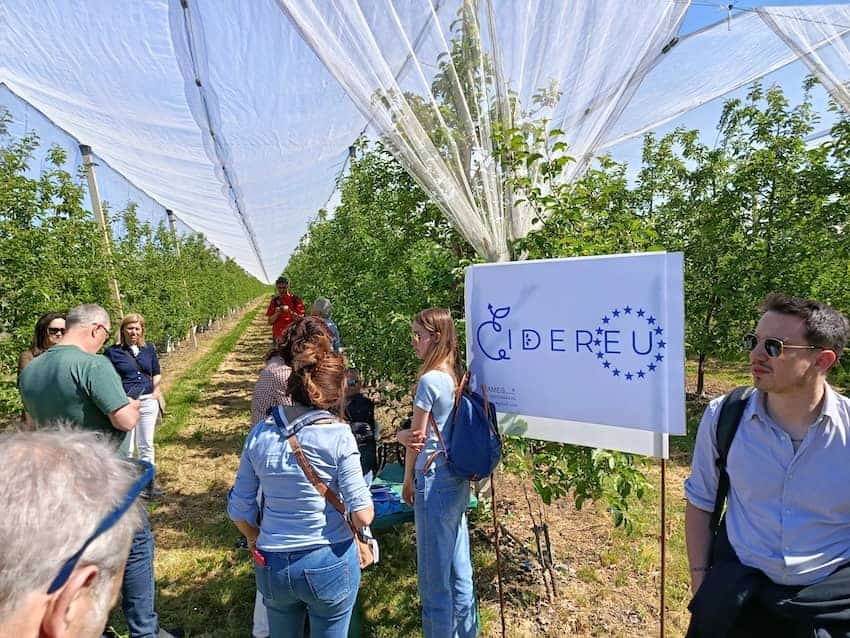
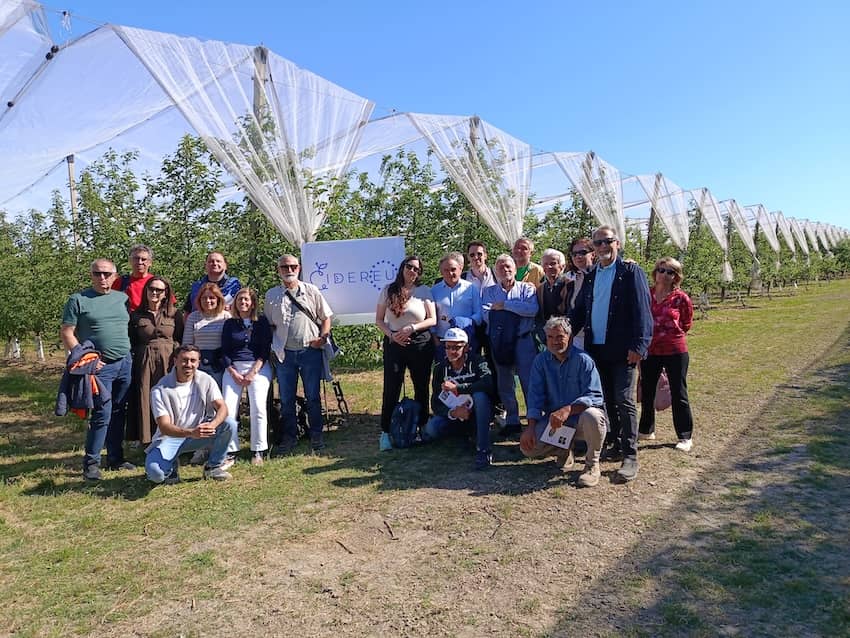
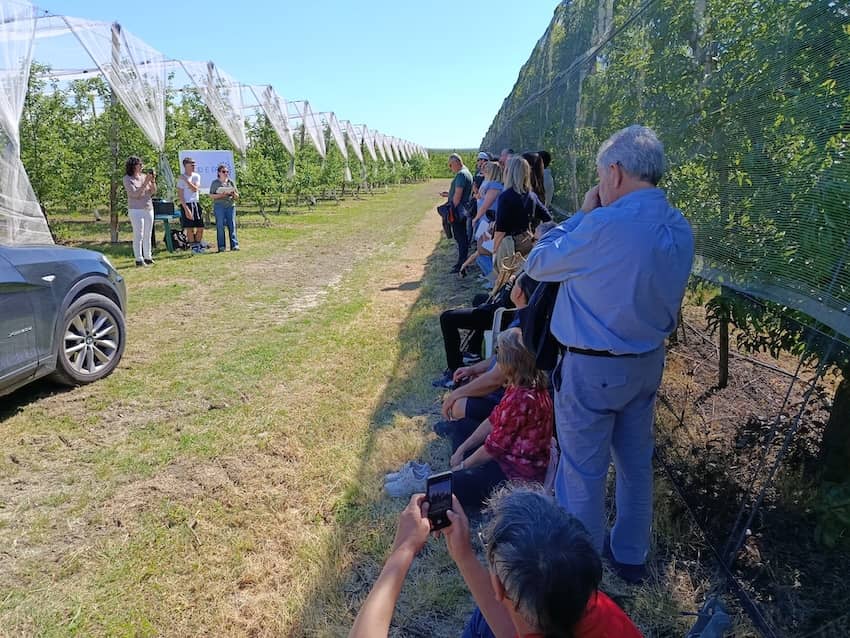
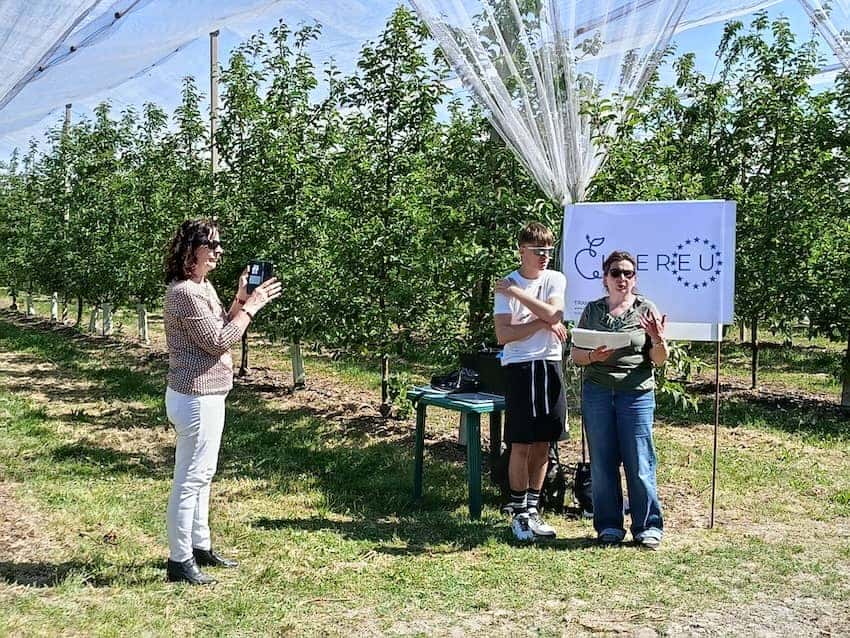
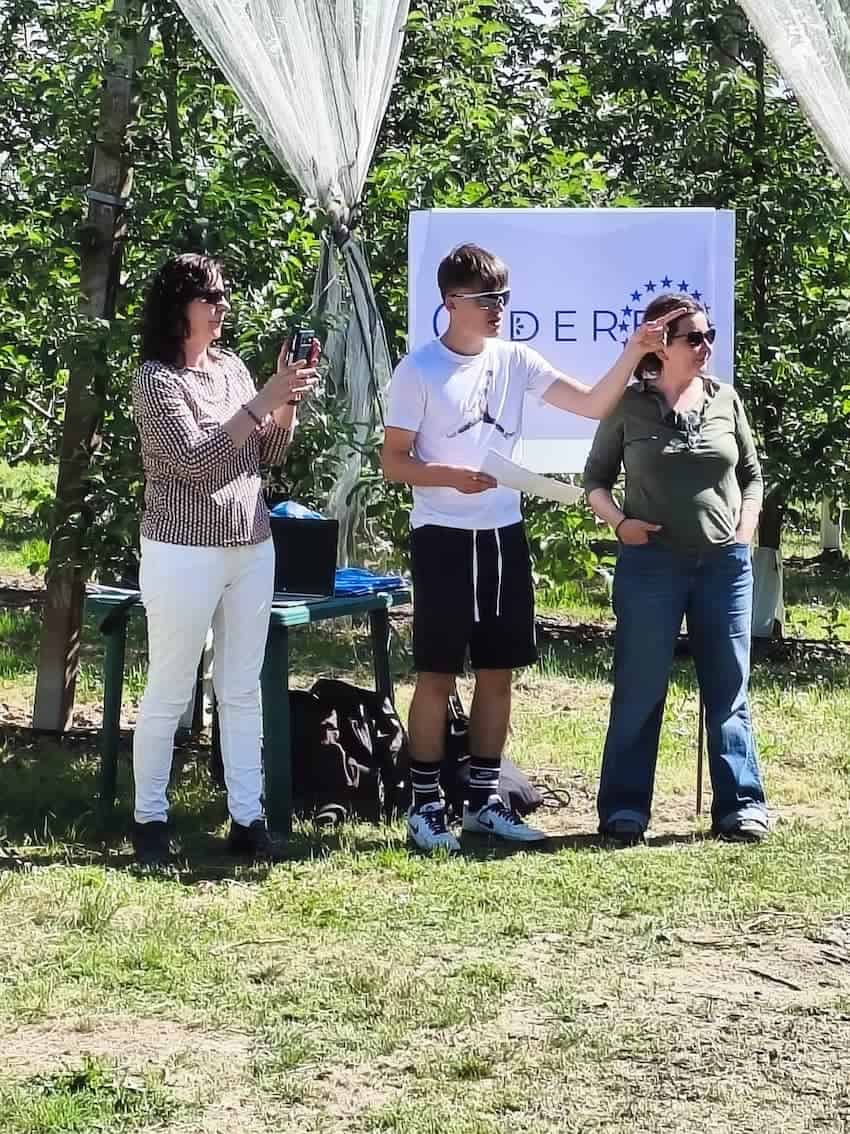
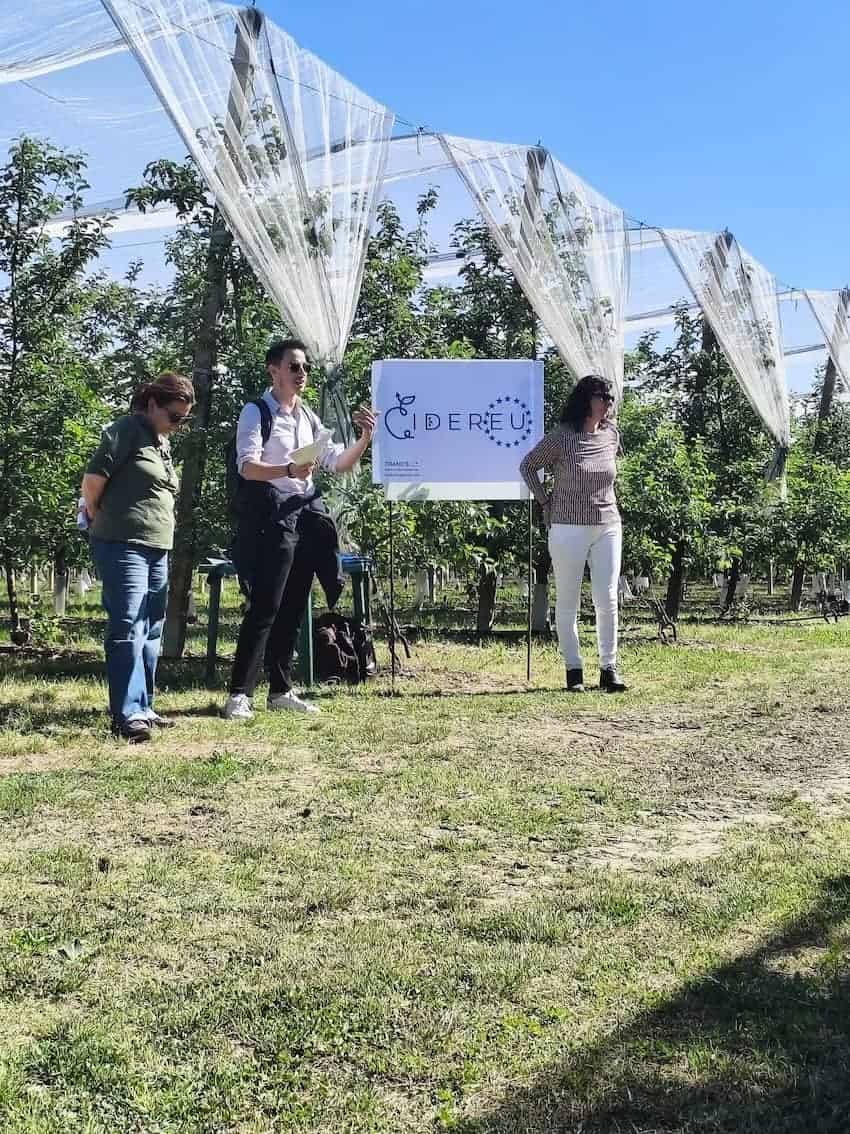
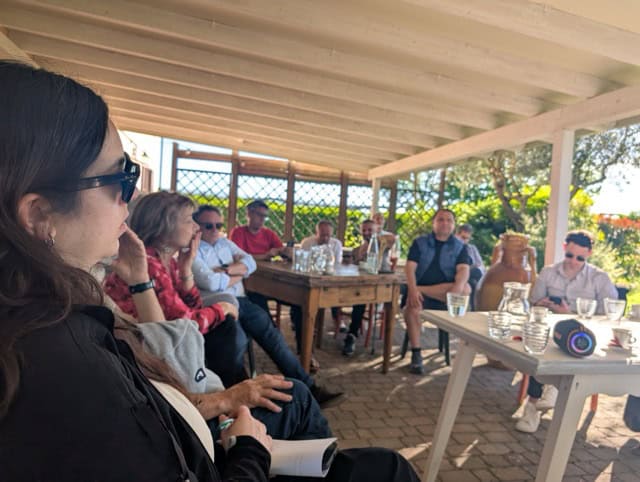
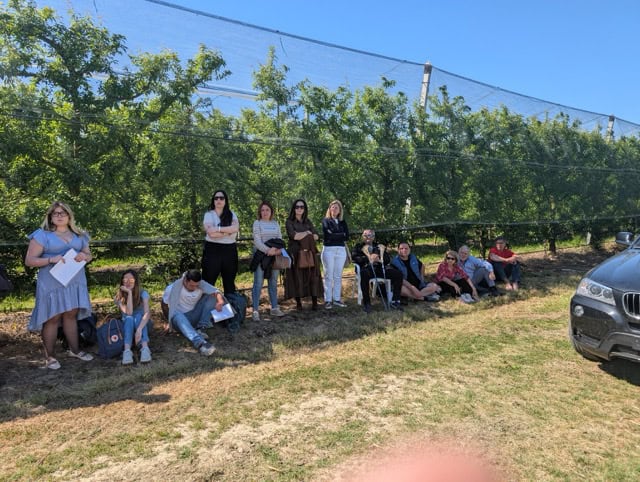
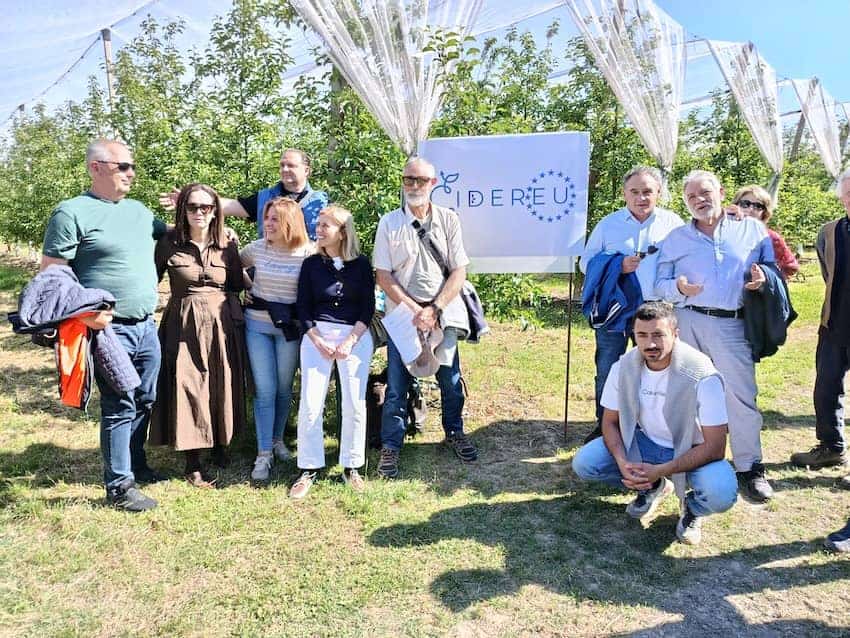
- Visit to Melandri’s farmhouse orchard in the Ronco area, where a workshop was carried out focusing on:
- water monitoring systems in orchard management
- fruit picking techniques and seasonal agricultural practices
- Women farmer: reflection on agricultural practices and rural knowledge in protected areas, storytelling
Day 3:
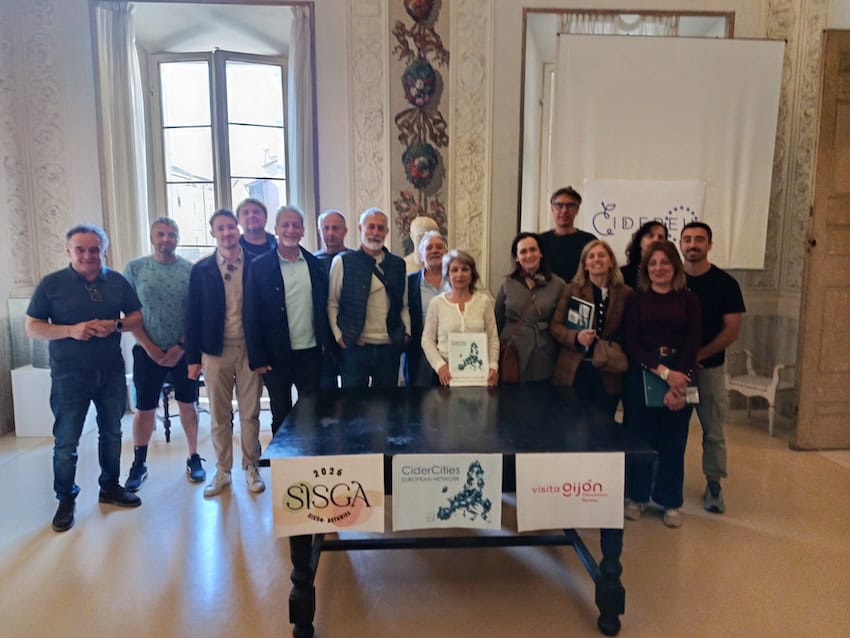
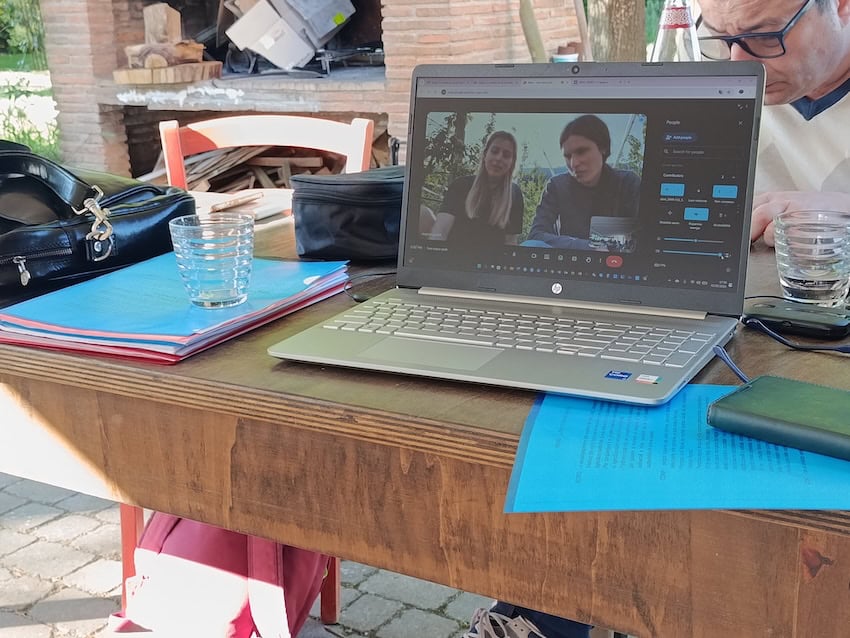
Partners exchanges and consolidation of learning outcomes
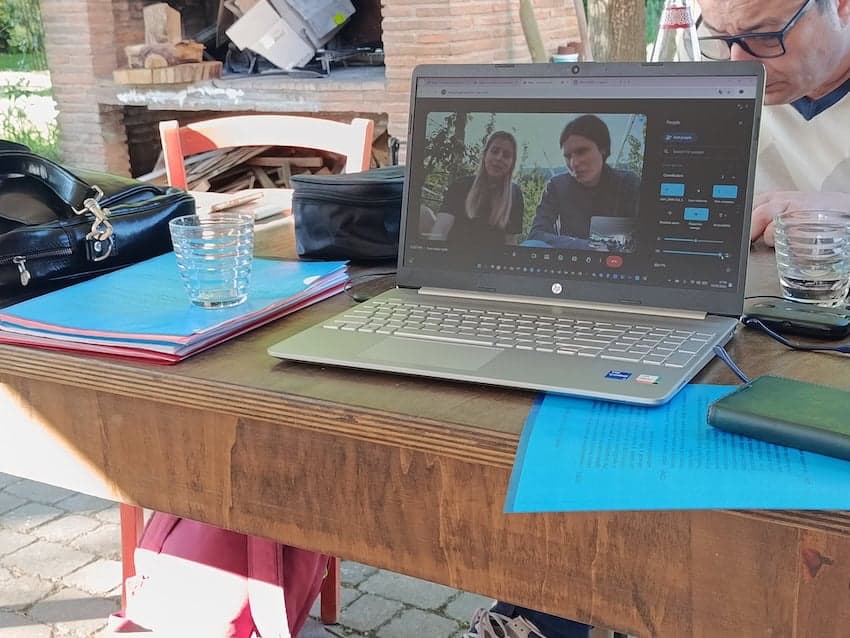
- European partner exchanges enabled comparative analysis of cider production systems across countries, supporting mutual learning and transferability of practices
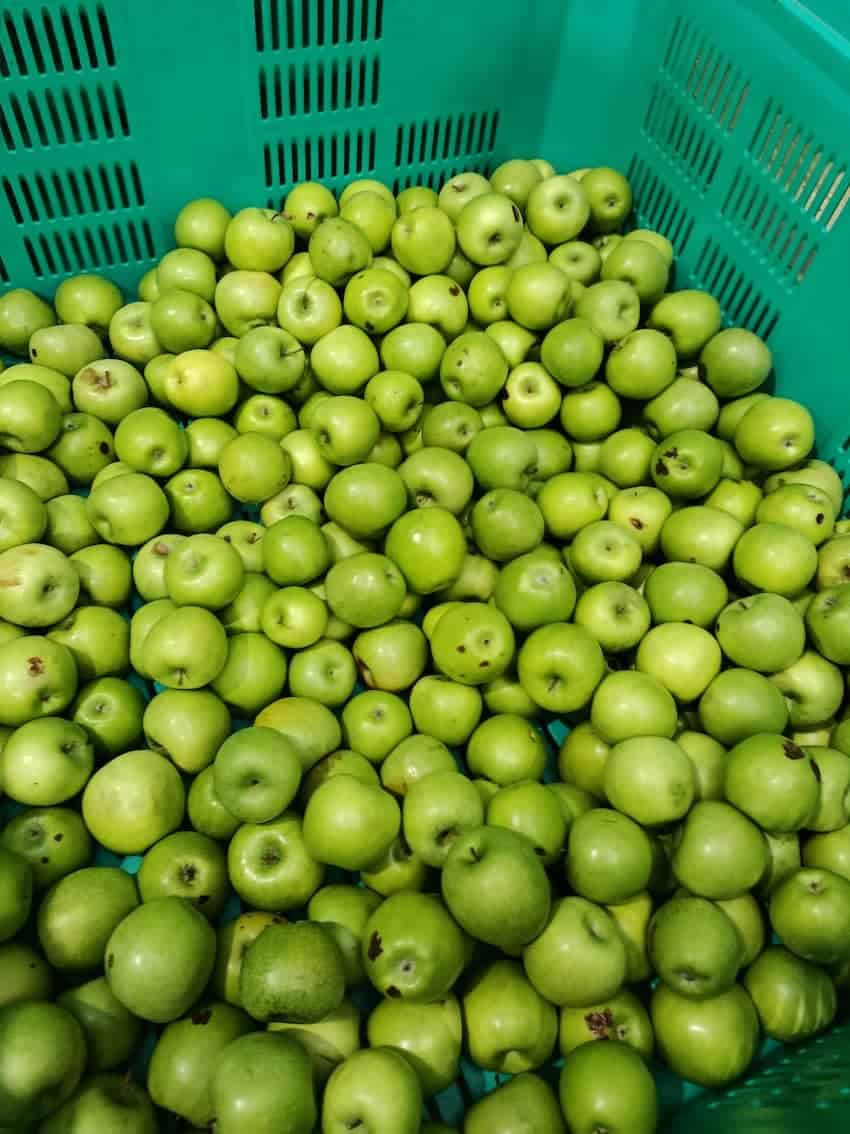
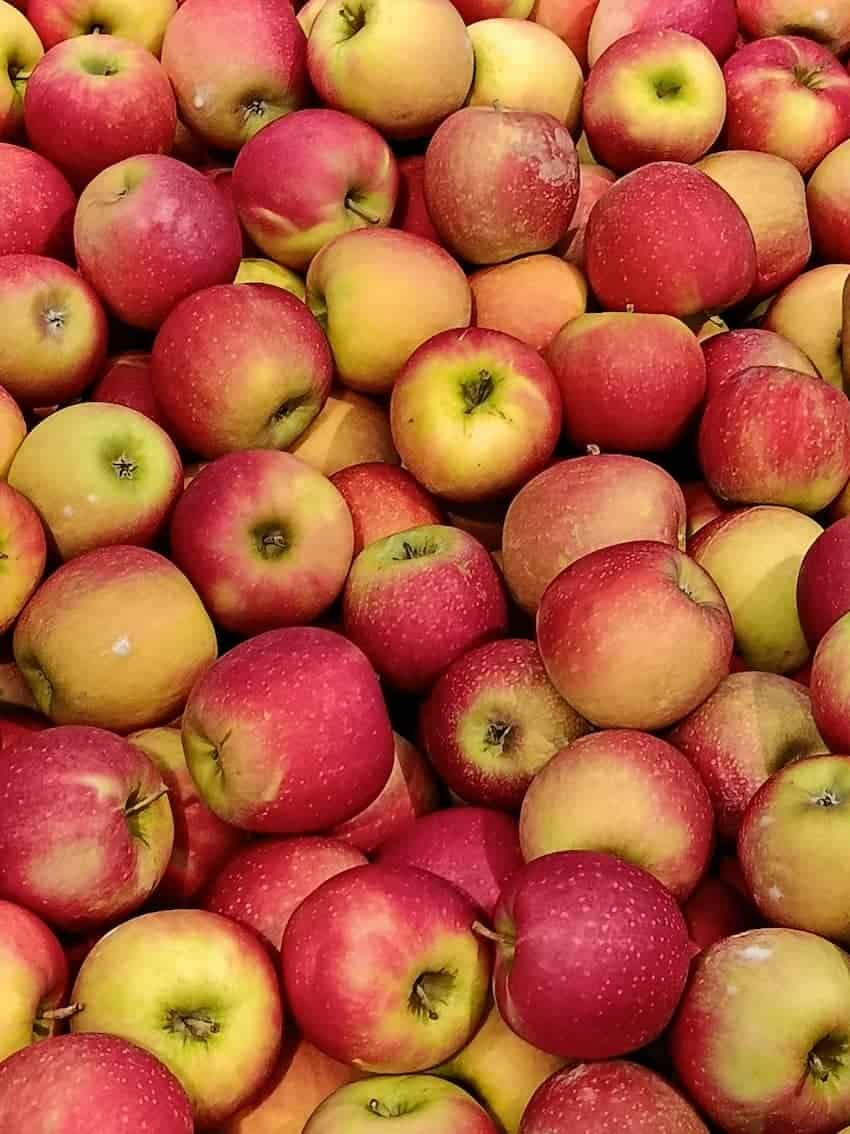
A key issue is the progressive decline of historical apple varieties, replaced by commercial cultivars, leading to reduced agrobiodiversity and loss of traditional knowledge.
Agricultural farmers are increasingly dependent on patented varieties subject to royalties, increasing production costs and reducing autonomy.
A structural imbalance persists in the agri-food value chain, with a significant gap between prices paid to farmers and final consumer prices.
Additional challenges include:
- climate change increasing production costs (anti-hail systems, frost protection, irrigation);
- damage from protected wildlife species (including woodpeckers and jays);
- limited development of cider production in Italy compared to other EU countries;
- increasing complexity in balancing agriculture with biodiversity protection requirements.

Overall,
WP1 confirmed the importance of linking cultural heritage, sustainable agriculture, biodiversity, youth participation, and community engagement, while highlighting the need for stronger support to agrobiodiversity, fair value distribution, and climate resilience in European rural development policies.
! Disclaimer
Funded by the European Union
Views and opinions expressed are however those of the author(s) only and do not necessarily reflect those of the European Union or the European Education and Culture Executive Agency (EACEA). Neither the European Union nor EACEA can be held responsible for them.